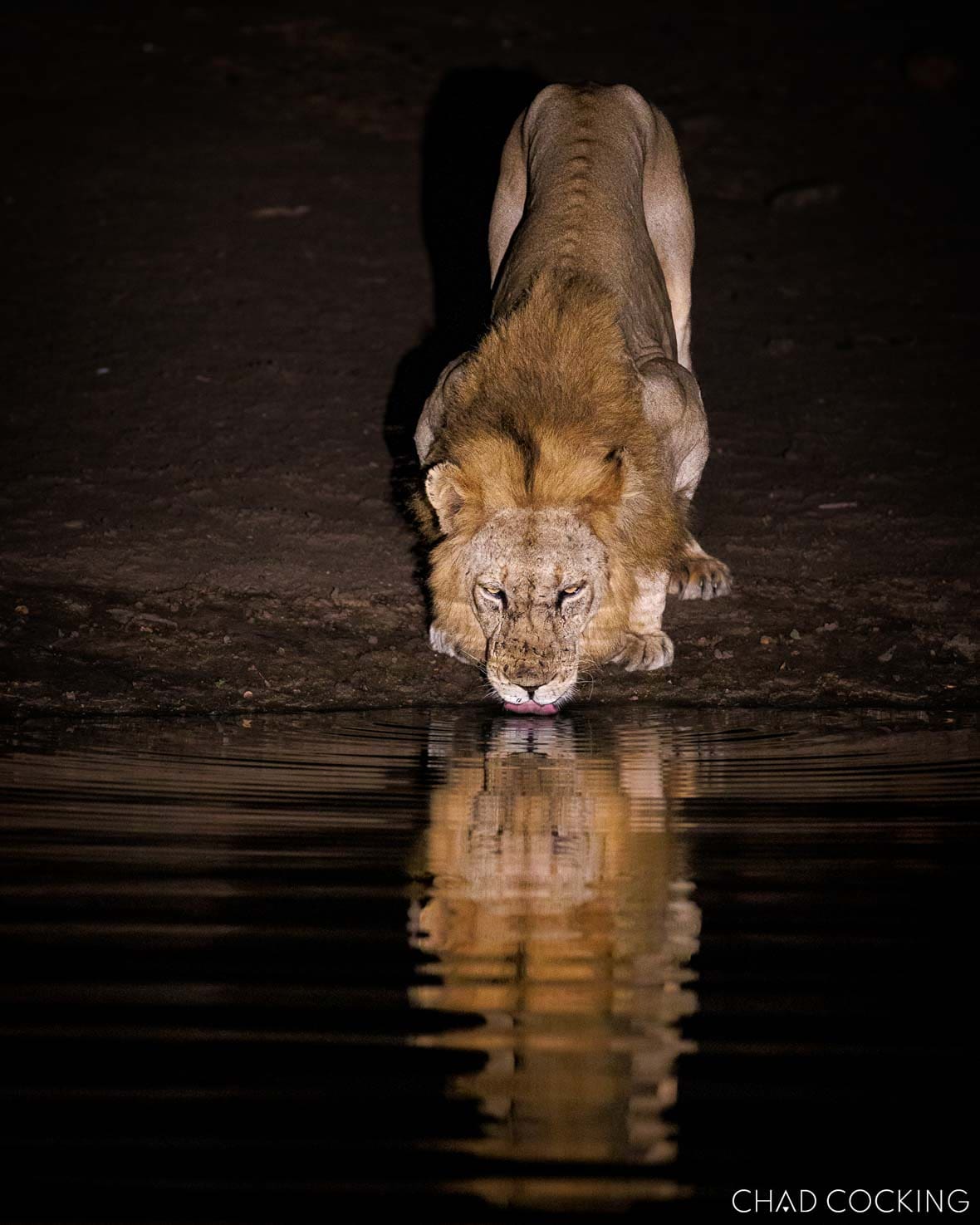
It’s been a minute! But we are back with an update of what has been happening at Tanda Tula over the past couple of months.
Its been a summer, that’s for sure! We have received record rains, and have recorded over 1000mm for the summer so far – that is double our average annual rainfall – and the Timbavati is looking spectacular.
As many of you would have seen in the news, the Kruger region received more than its share of rainfall in January, leading to the temporary closure of many camps in the region, and Tanda Tula was no exception.
Fortunately, despite the rivers flowing at capacity for almost two weeks, they never rose high enough to put our camp at any risk, and we are happy to report that we did not have any structural damage to the camp, no one was in danger, and the only reason we had to close was because the reserve was so saturated that driving around would have damaged the roads and environment to a degree that we did not think was worth the risk. It proved to be a wise decision, and the two week rest that our roads were given meant that it was a pretty easy job to get them all up and running again, and we opened for business again at the end of January, and it was so special to welcome guests back to the camp, and show them the magic of the Timbavati.
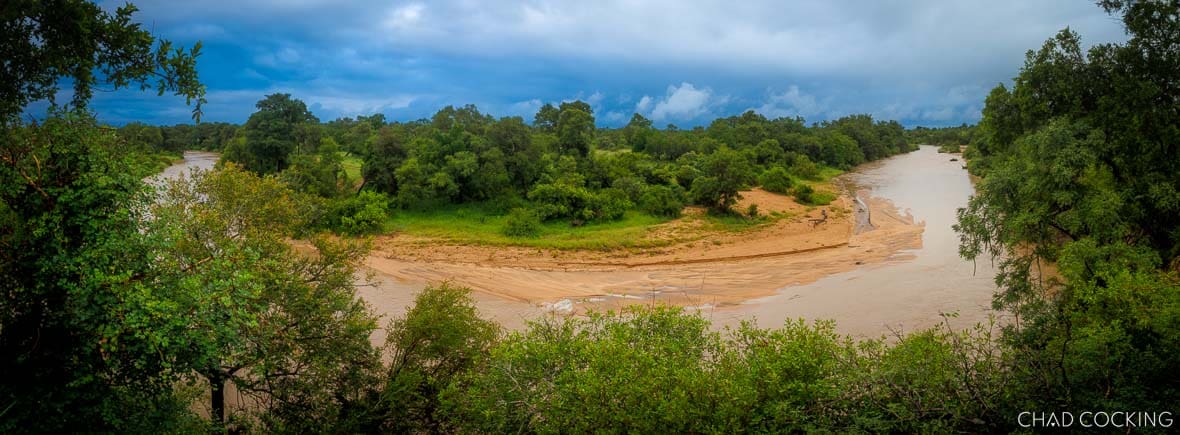
When hearing about the floods, guests are always concerned about the welfare of the animals, and whilst it would have been a tough and trying period for them, the vast majority came out unscathed, and enjoying the bounty of food and water now on offer in the area. All of our regulars were accounted for, and even the new born cubs, that we were a little concerned about, appear to have made it through.
So what exactly has been happening out there over the past couple of months?
Sark Breakaways Settling
After the upheaval of the pride dynamics in the middle of 2025, the three lionesses that joined up with the new Nkombo males have now settled nicely, and all three females are looking very pregnant, and the arrival of a whole bunch of new cubs is imminent!
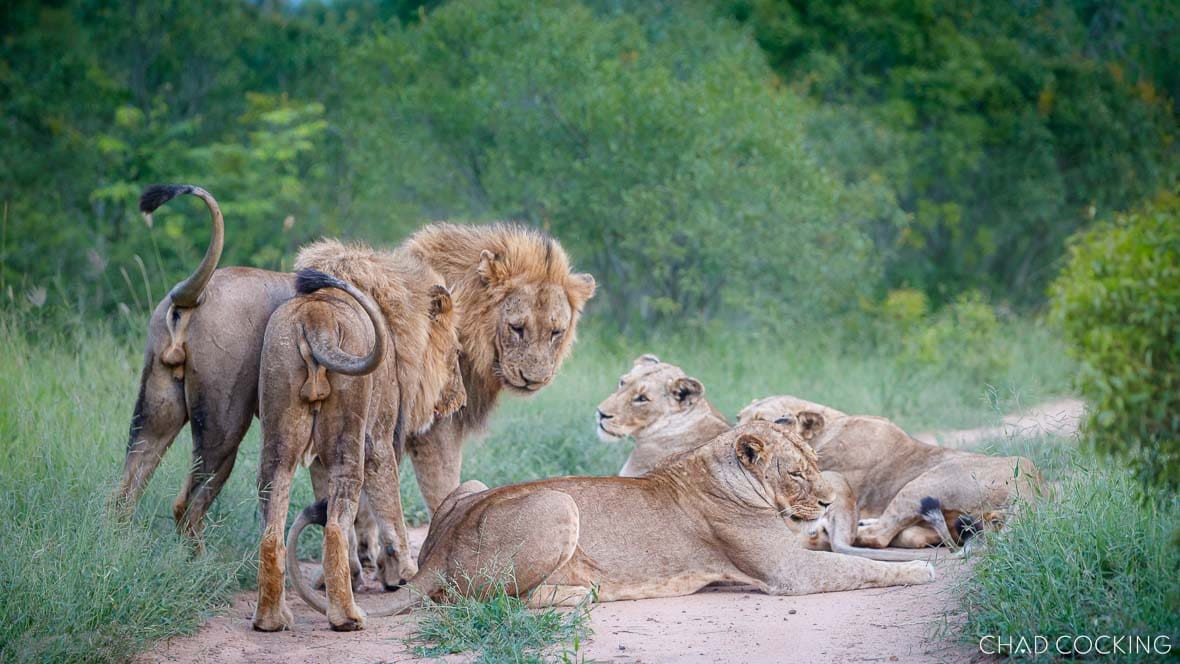
The Nkombo males have been very active, and after a quiet start to their lives as dominant males around Tanda Tula, it has been great hearing them stretch their vocal chords and putting on some more roaring displays. Hopefully their roars will keep out any challengers and allow the females to raise their upcoming litters in comfort and peace.
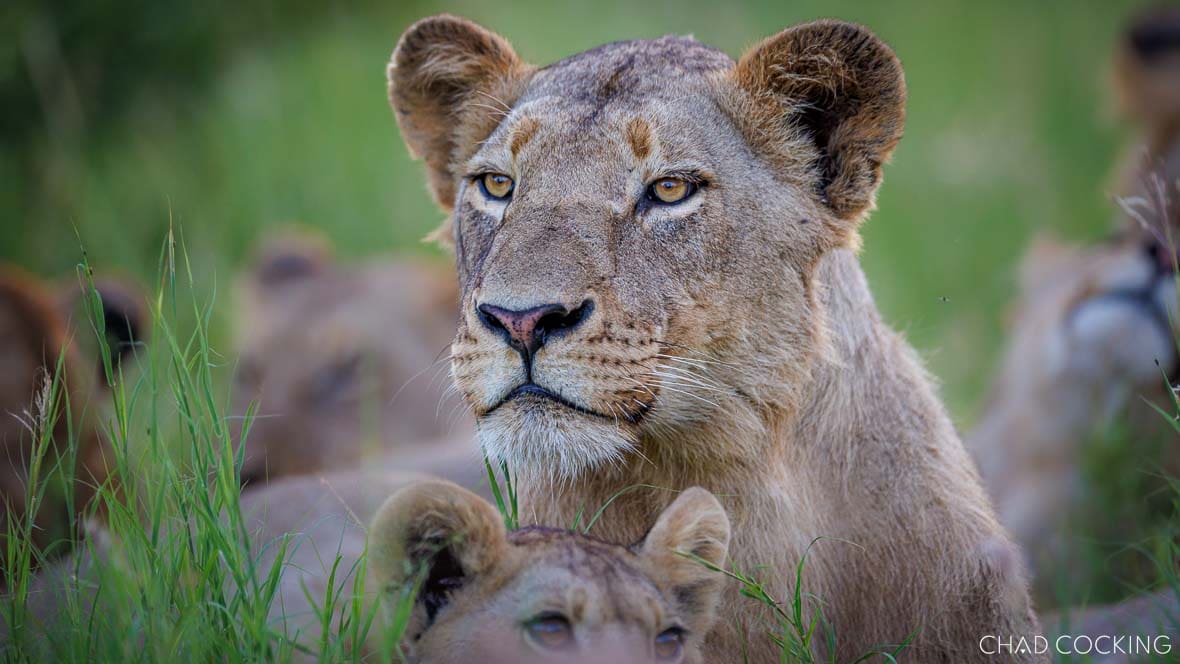
Sadly, the same cannot be said for the remaining 12 members of the pride. They have been forced to seek new areas of safety, and spent most of the end of 2025 splintered into small groupings, with the two adult females themselves each looking after a bunch of inexperienced sub-adults – never a great recipe for hunting success. After coming together to reunite as ten members just before New Years, the pride got a good meal and entered 2026 on a good footing. Sadly, there has been little sign of them since then, and we can only hope that they are keeping out of trouble wherever they have ended up.
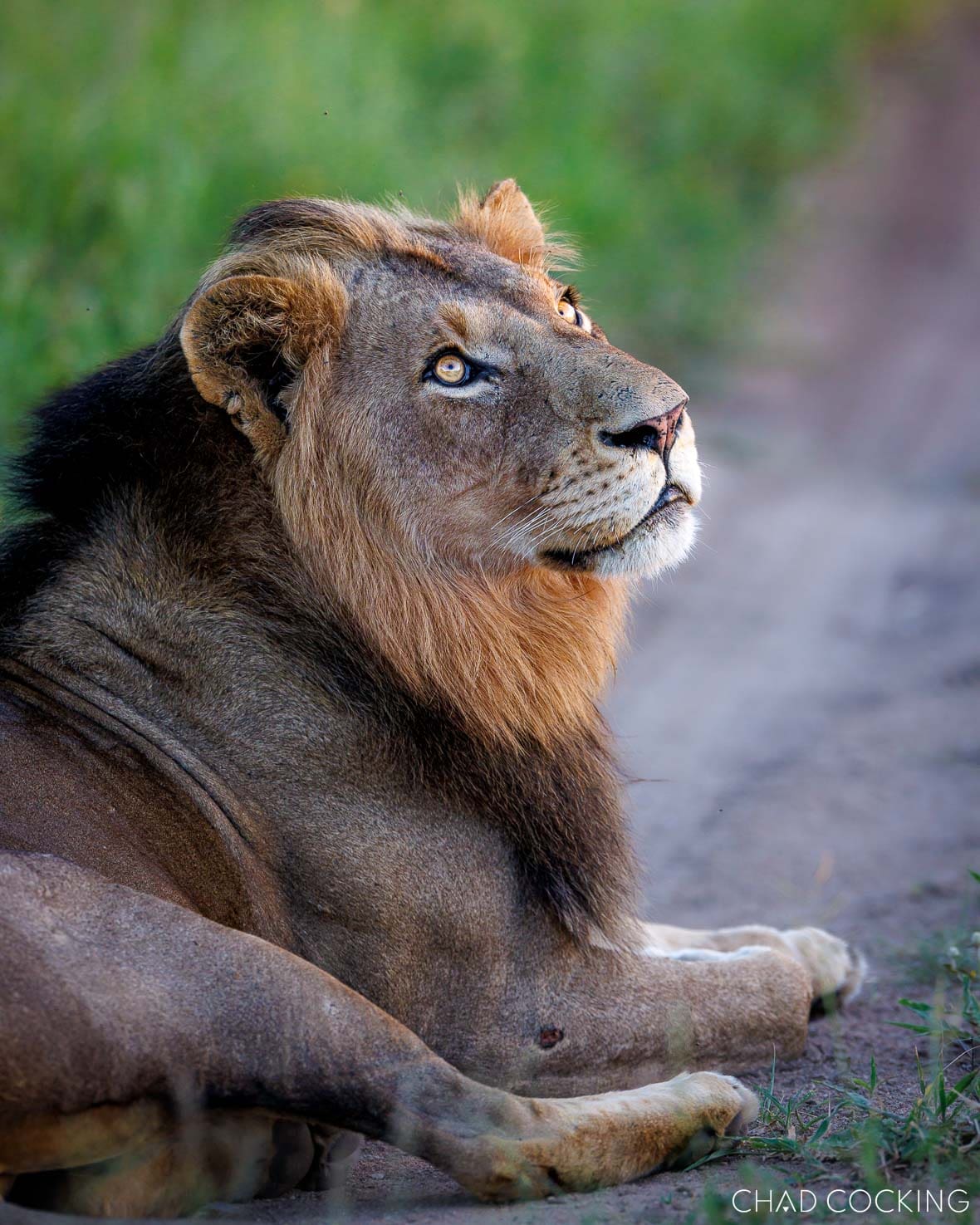
The two older Sark Breakaway males were looking in good shape and appeared to be exploring to the east in the closing periods of 2025, and we saw them a couple of times in the heart of the Mayambula territory; I doubt that the remaining Vuyela males (fathers of the two young boys) will have been too pleased to see them there, so I cannot see these males settling down in that area.
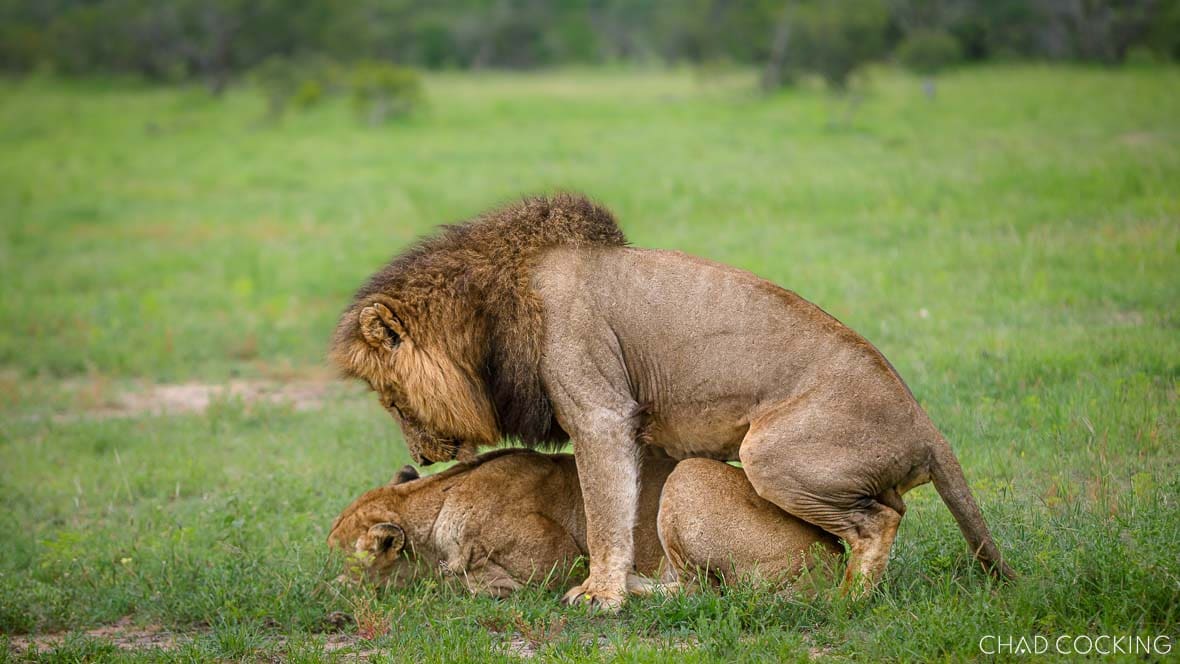
Speaking of the Vuyela male(s) – we only had one series of sightings of one Vuyela male mating with a Mayambula female in the east in December. Since the death of at least two of the coalition members, the males and their pride have been very scarce, and we have no idea how many pride males are still around. 2025 brings to a close a tough year for the pride, but we hope that we will see more of them in 2026, and hopefully with more cubs to bring the pride back to their recent status as a super pride.
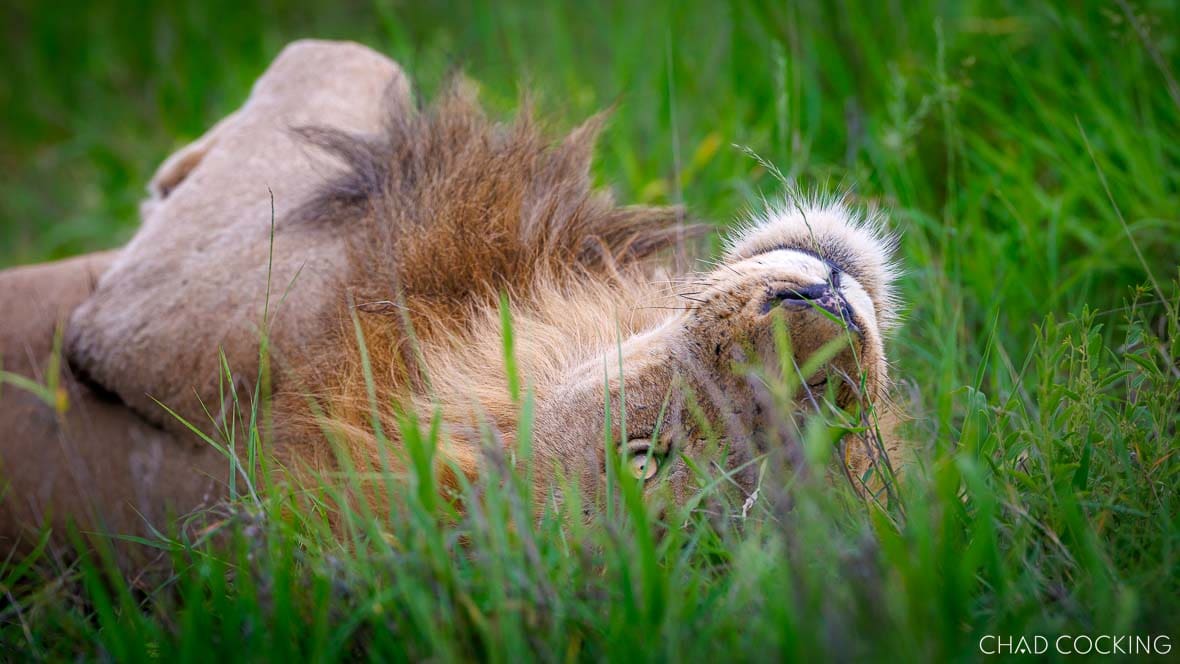
Bitter Sweet
The pride however that stole most of our headlines over the past two months has been the Giraffe Pride in the west. I had one of the most special sightings of the pride one morning as one of the lionesses was moving her three small cubs to a new den-site, but she seemed undecided and was up and down a bit open area giving us amazing views. She eventually joined up with another female and cubs, and we watched as the two proud moms and their six cubs moved off to a new home! Sadly, I did not have my camera to capture that moment, but we caught up with them a few days later as the pride rested on the banks of the Zebenine Riverbed, roaring their authority over the area along with a Birmingham Breakaway male in attendance. It was bitter sweet, as we also found one of the smallest cubs lifeless bodies lying close by. We left with joy in our hearts regardless, and dreamt of how big the pride would grow.
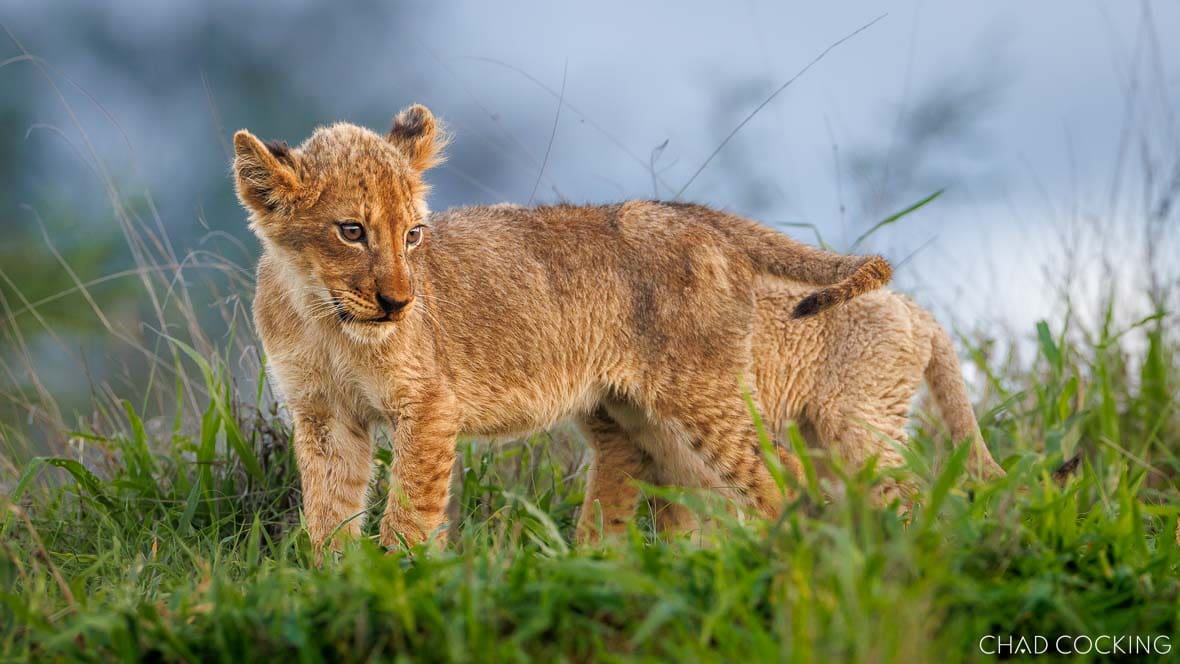
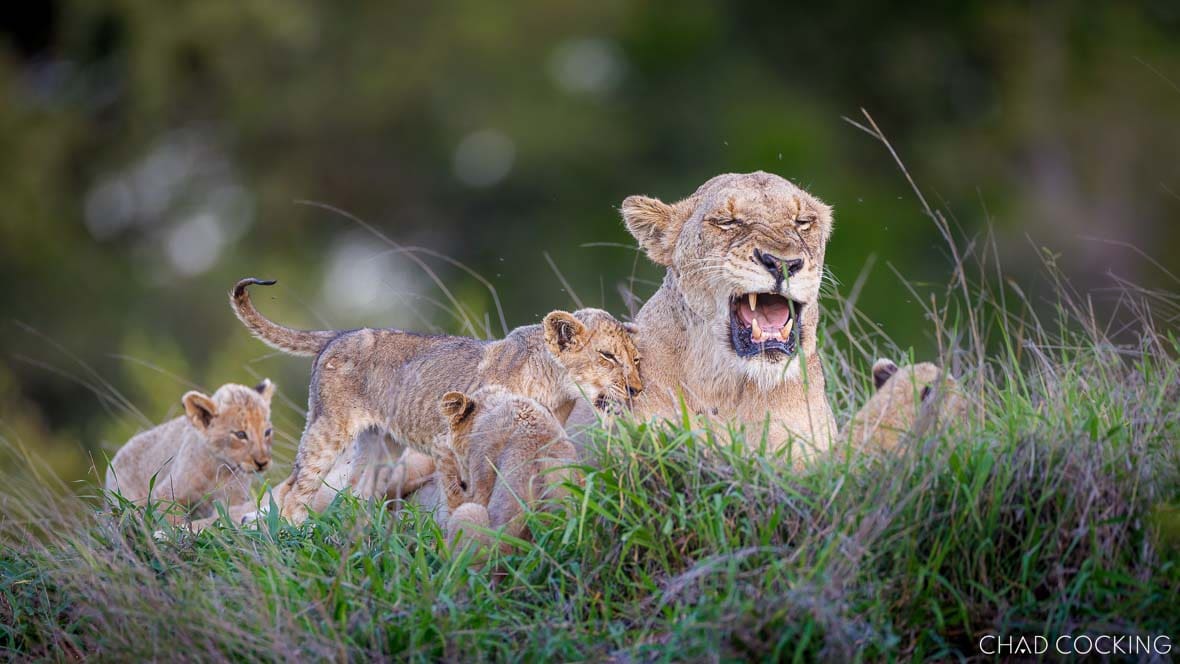
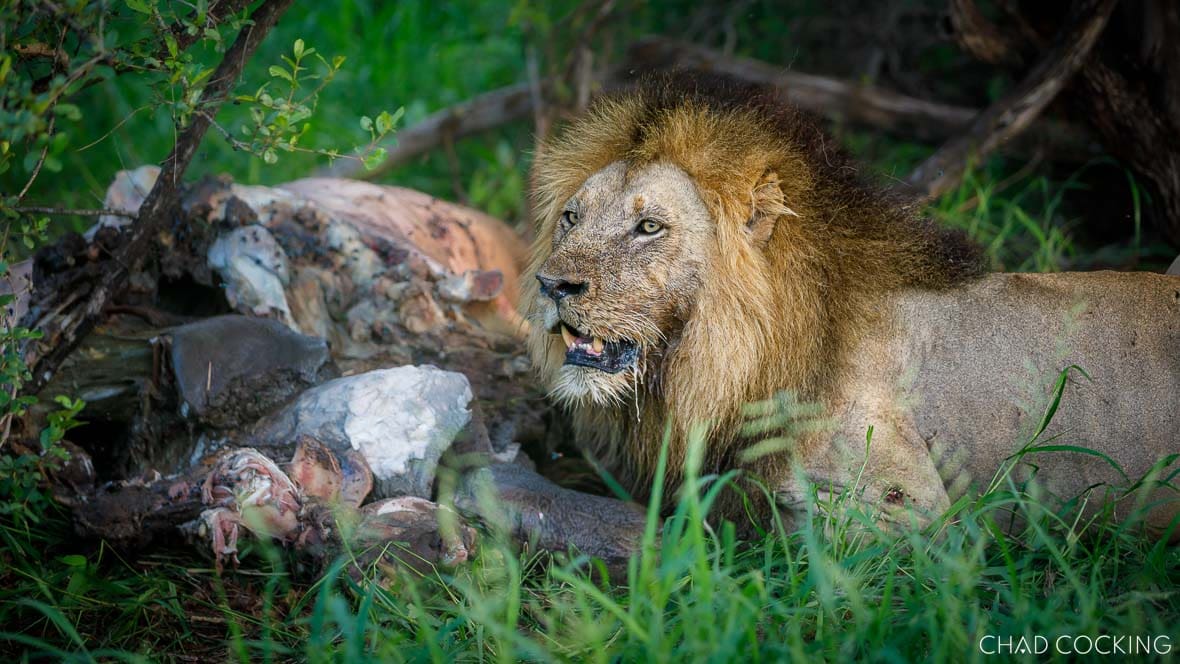
Unbeknown to all of us, that would be the last time that anyone saw any of the cubs alive. Did the Blackdam males (a coalition of three that has been pushing into Giraffe Pride territory over the summer) kill them, or was the already dead cub a sign of some sickness that was spreading through the litter? It was a massive loss for the pride, and left them with only one 7 month old cub in the pride. They continued to do their thing, feasting on a number of carcasses – including a hippo that they found – and ended off the reporting period tucking into a buffalo carcass in the eastern parts of their territory.
It was that afternoon when the guides followed up on one of the lionesses that had left the carcass to go down towards the Zebenine Riverbed that their interests were piqued. Her suckle marks were evident, but no one had seen her cubs – how many did she have, and how old were they? And as always happens when the Giraffe lionesses have a litter…what colour were they? Amazingly, for the first time in over a decade, we got to hear the answer we had been hoping for…one of the cubs was white!
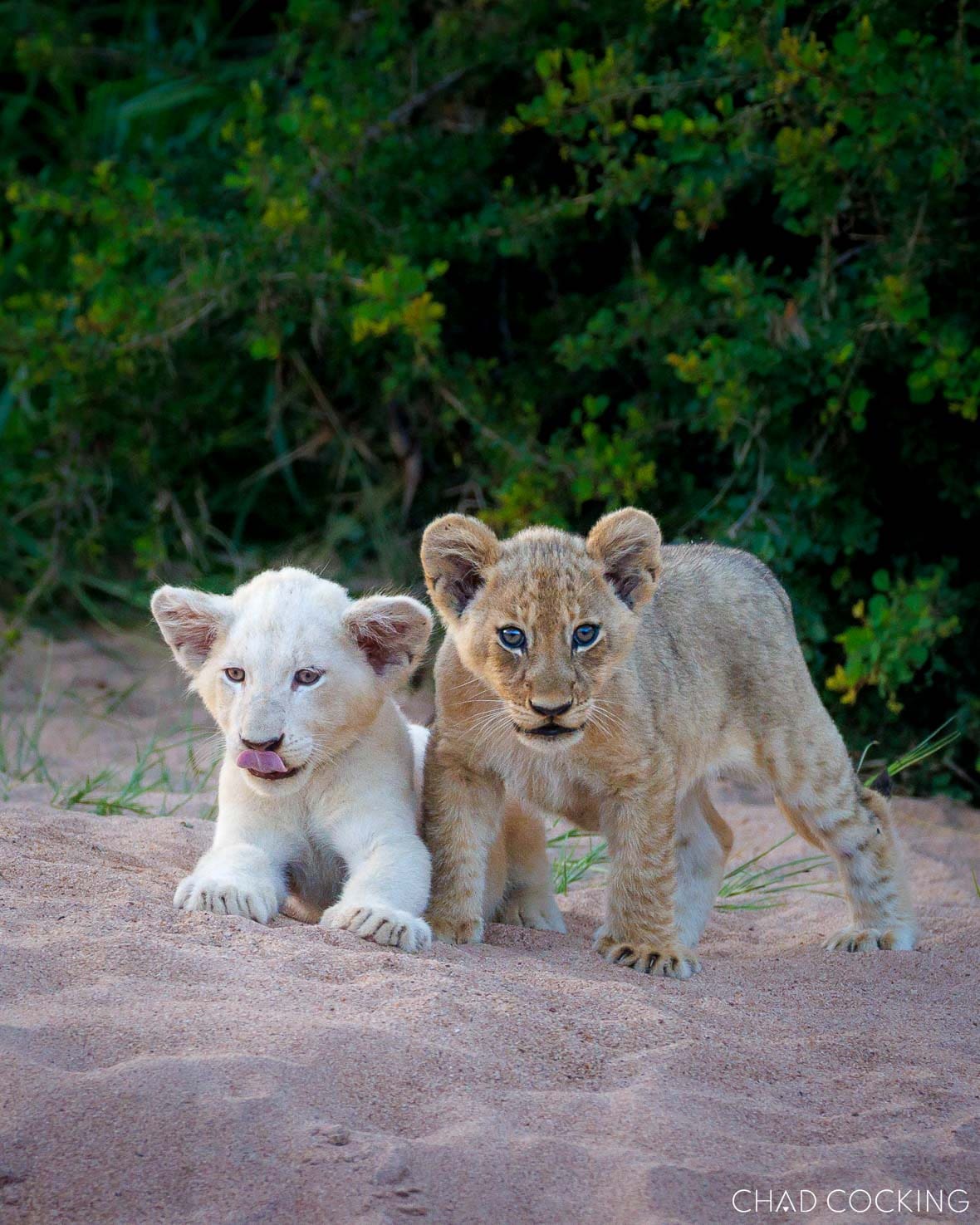
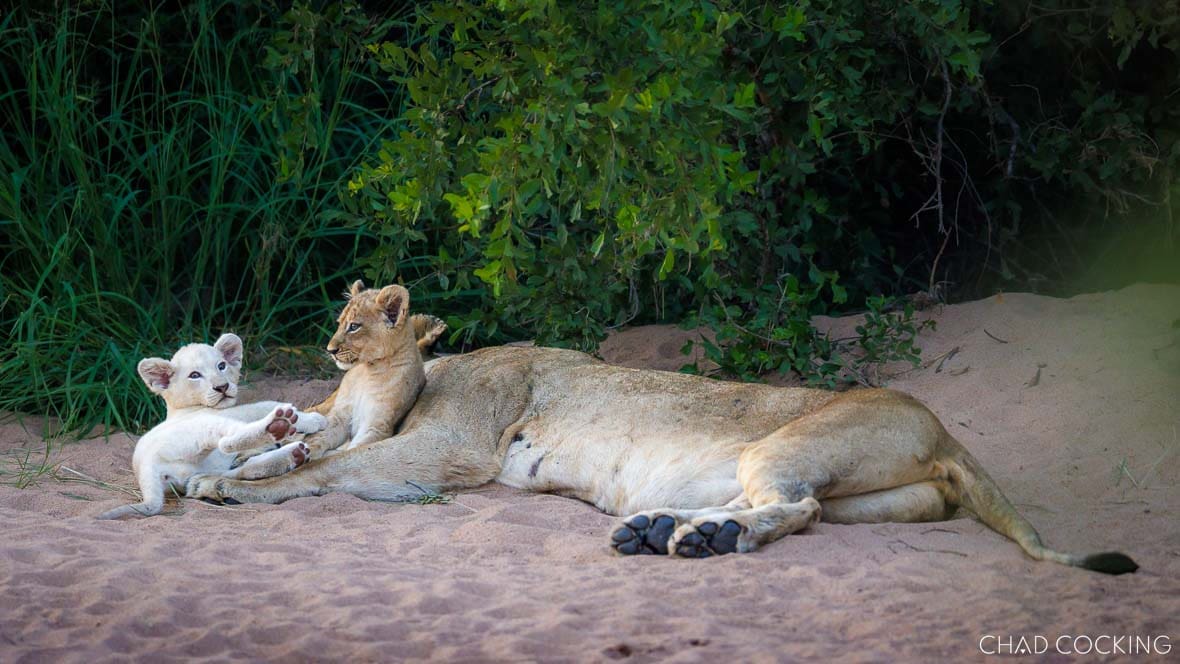
A young male cub, this young white ball of fur has a challenging road ahead, and if the pride’s recent struggles to raise their cubs are any sign of the future, this litter of two are going to need luck on their side. However, if there is one pride that has been good at raising white cubs in the past, it is the Giraffe Pride – back in the mid 2010s, they had two adult white lionesses in their pride, and it is a continuation of their genes that led to this white cub being born.
The River Pride made very few appearances in the first part of summer, and we await their return, hoping that wherever they have ended up, they are safe and doing well.
Baby Season
One of the biggest joys of summer is the arrival of a host of babies – impalas, warthogs, wildebeest and even many zebras all drop their young in summer, and the bush has been full of cuteness! Time has however flown by so much that I can scarcely believe how big the baby impalas have already gotten!
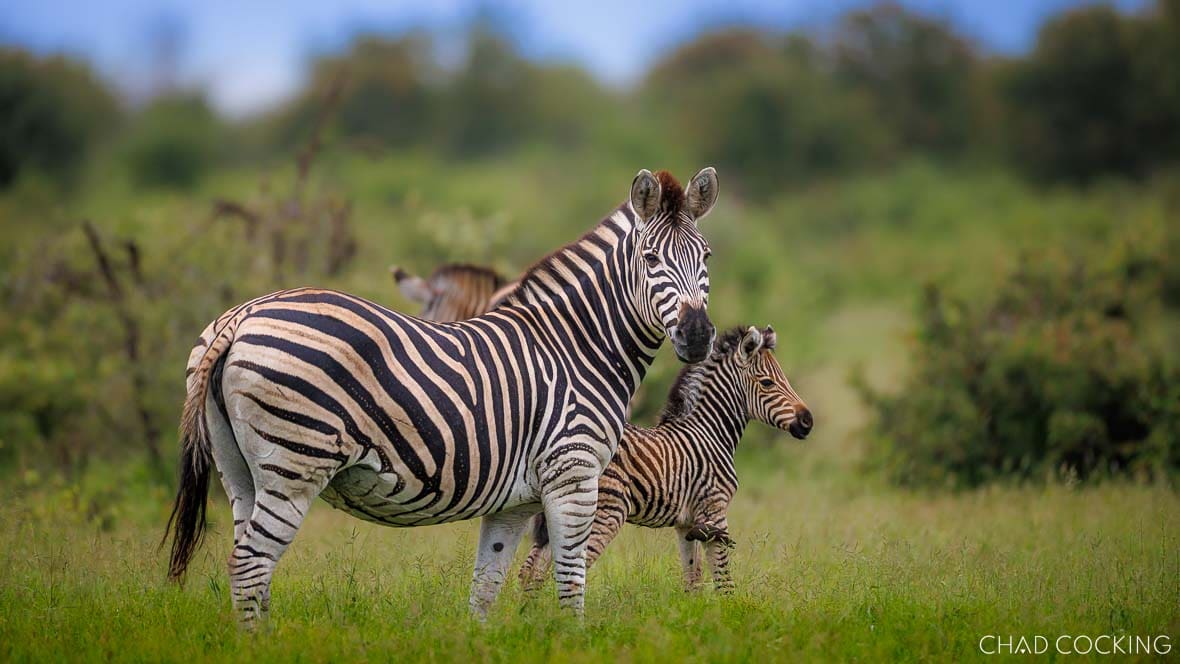
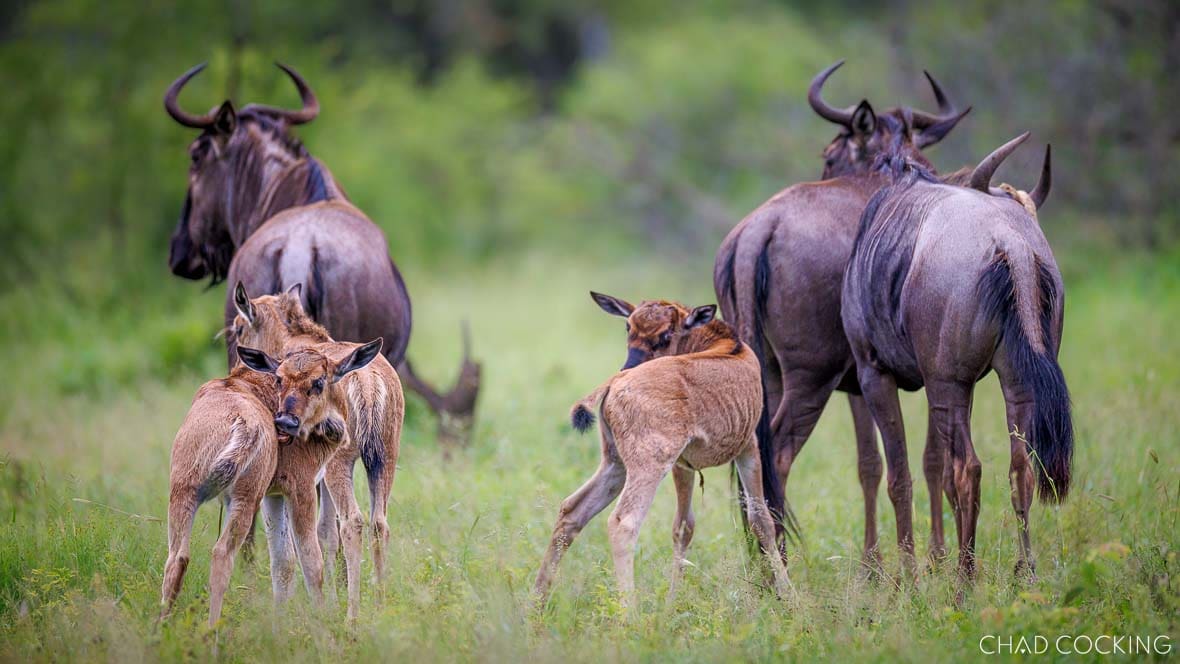
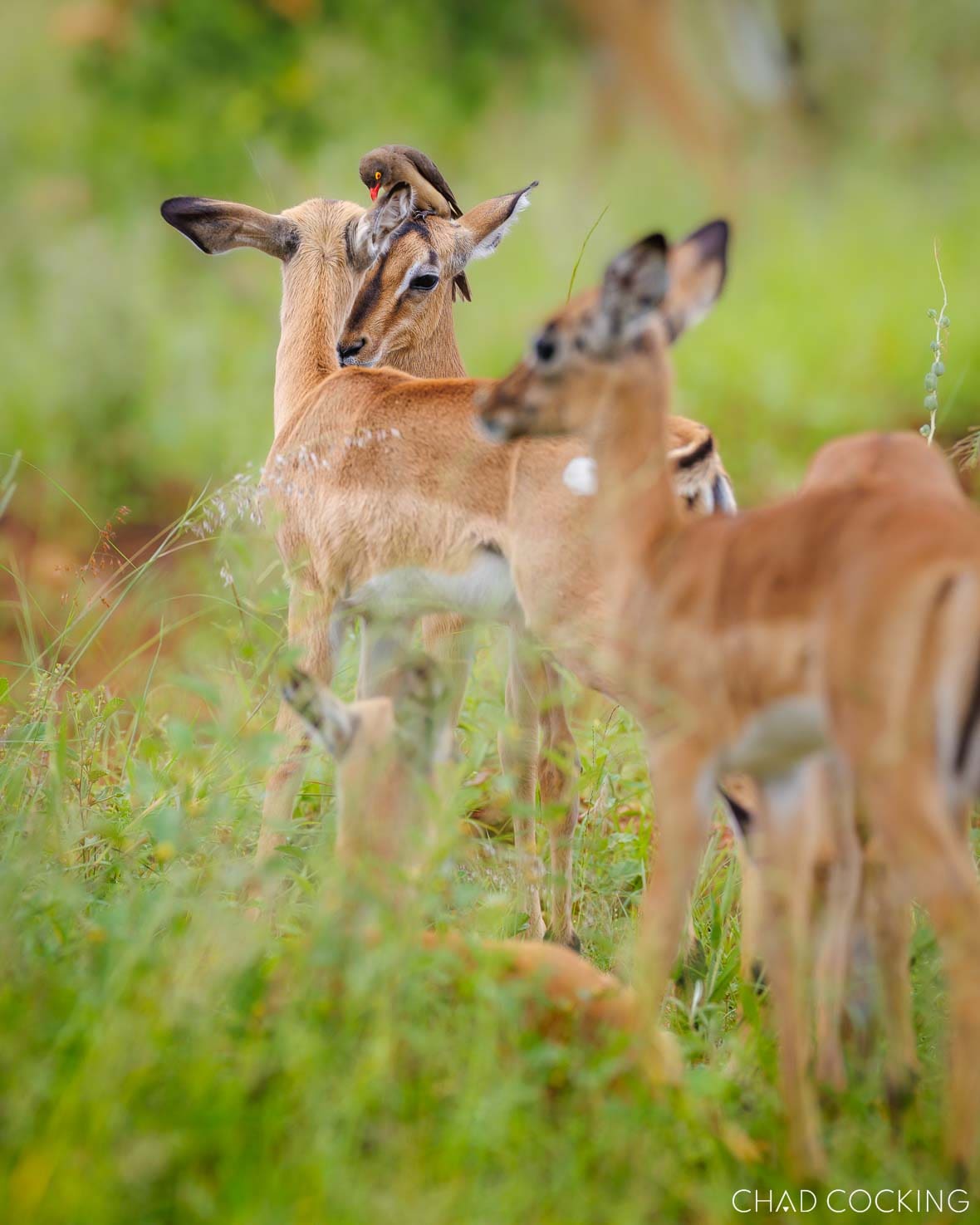
After the floods, I did notice that very few baby wildebeest were left in any of the herds but don’t know if that was related to the rain itself, or if the lions in the eastern portions picked them off during the rains when hunting would have been easier?
Eyes to the Trees
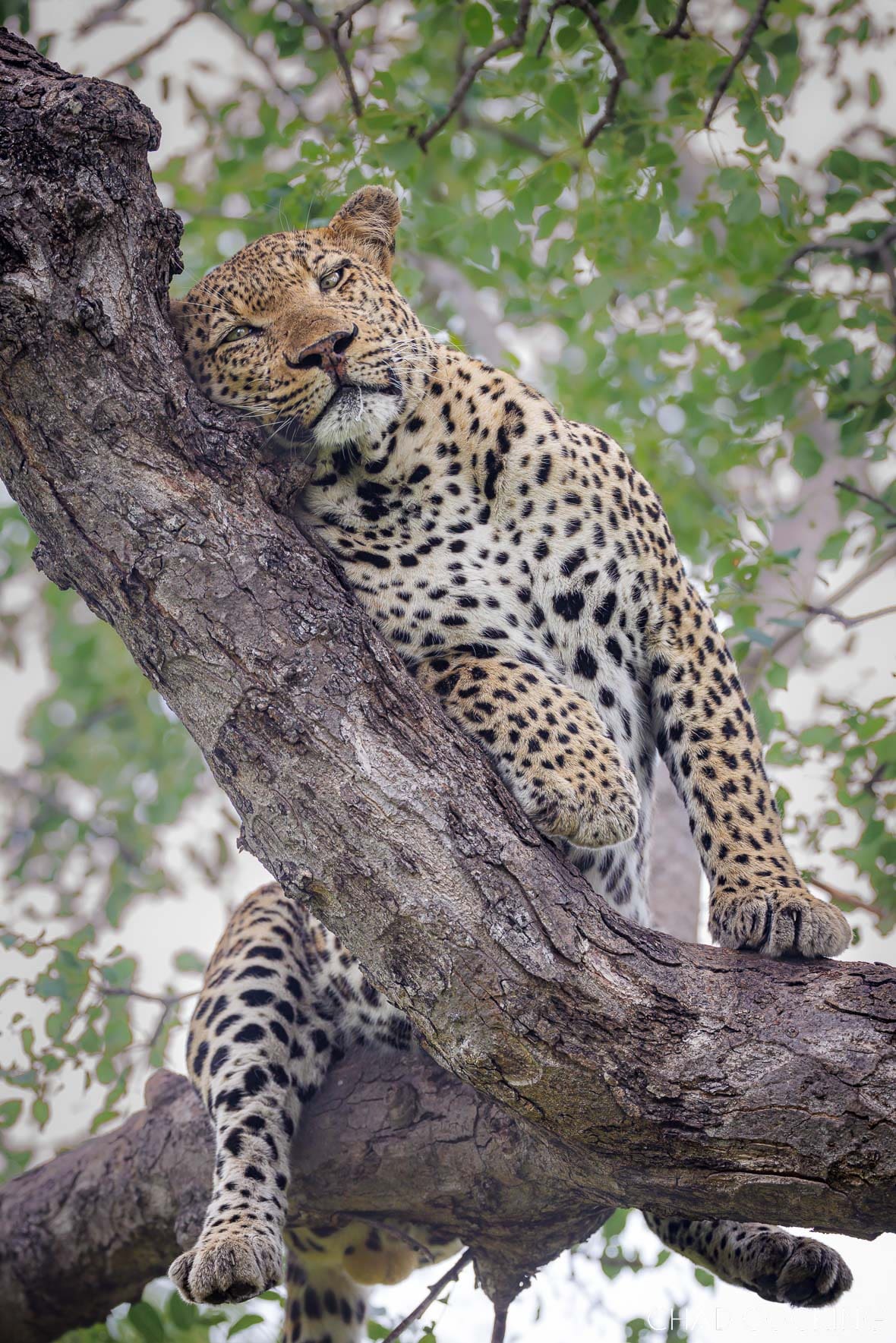
Guests are often concerned that animals are more difficult to spot in summer with the long grass, and none more so than leopards. This summer again proved that summer is actually a great time for leopard viewing, and throughout November and December, we found numerous leopards resting up in the large trees that are scattered across our traversing area. Being surprisingly small cats, they too need to get to elevated perches to see over the grass, and as a result, tend to regularly ascend marula trees for a better view of the world, and whilst there, they also make a perfect spot to sleep in!
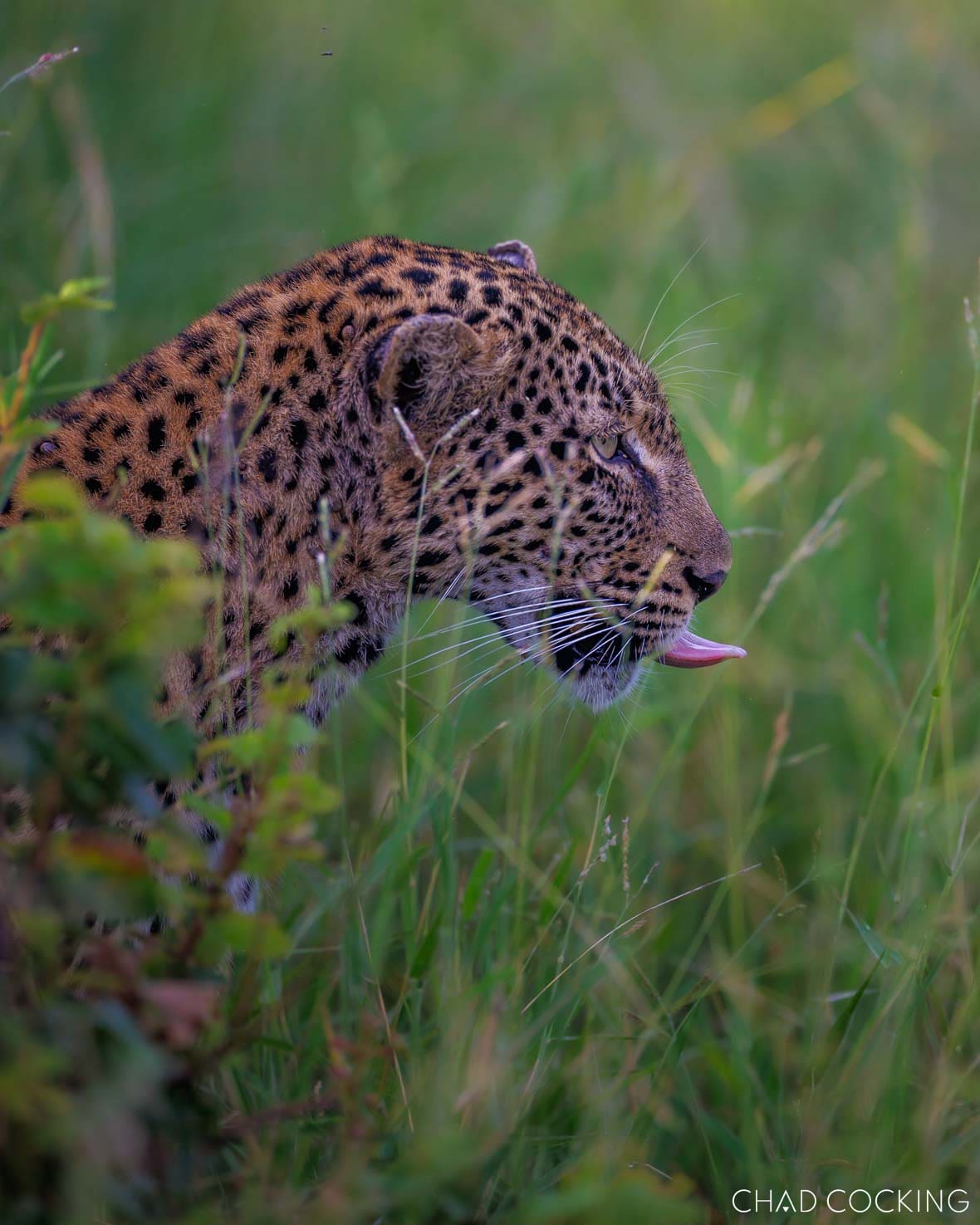
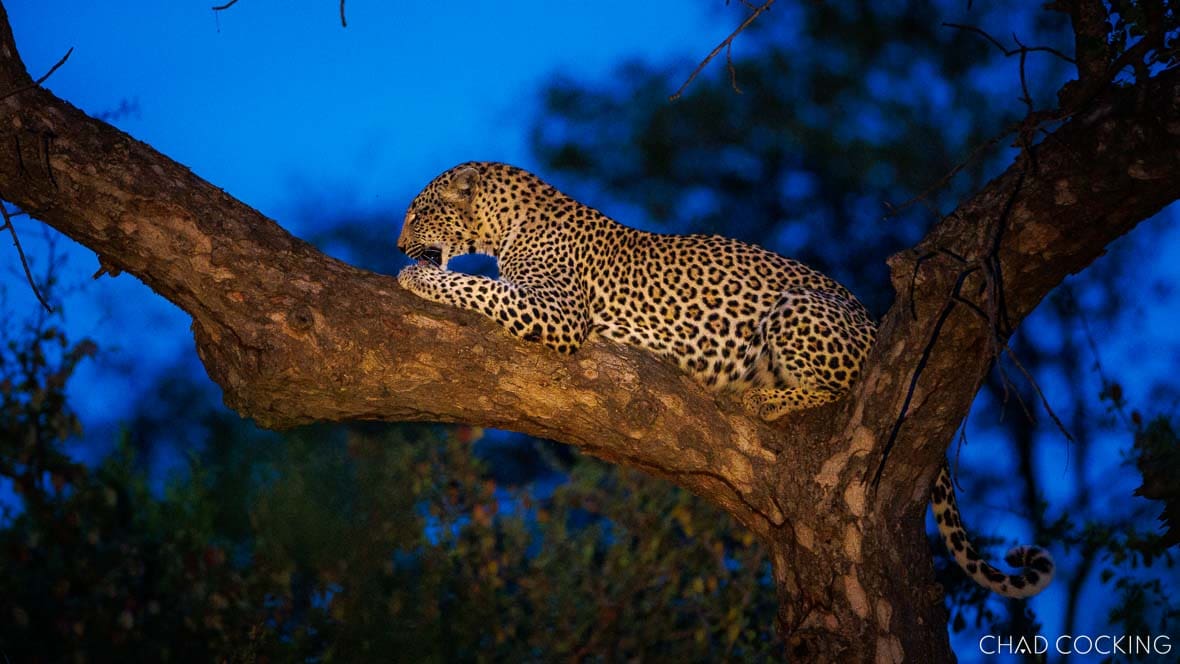
Our sightings over this time were dominanted by a few of our resident females; Dzindza and Rihati continue to me the most frequently viewed females in the central regions, but we also saw a lot of an as-yet-unnamed female to the west of camp – she possibly holds the crown for the biggest lover of marula trees this summer! With each sighting, she is also getting more and more comfortable with the vehicles, giving the guests some lovely viewing.
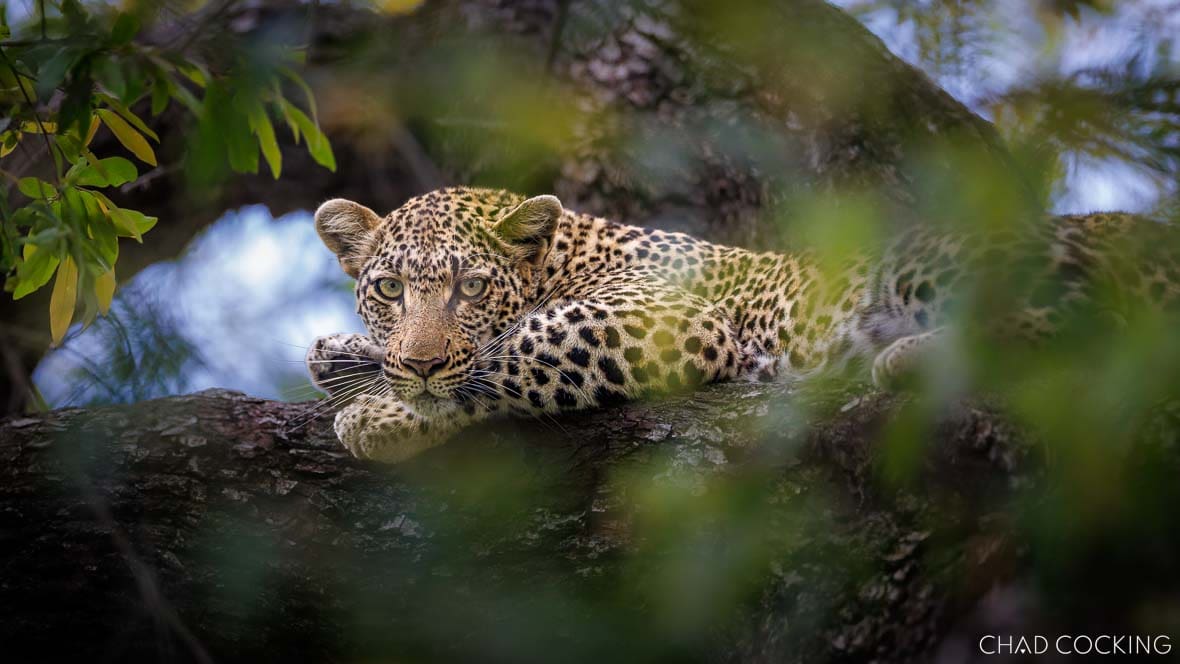

N’weti was also seen a few times over this period, including mating with Nkhari male in the early part of summer. This appears to have been a successful mating session, and by the end of the January, she was starting to show signs of some growing cubs inside her womb.
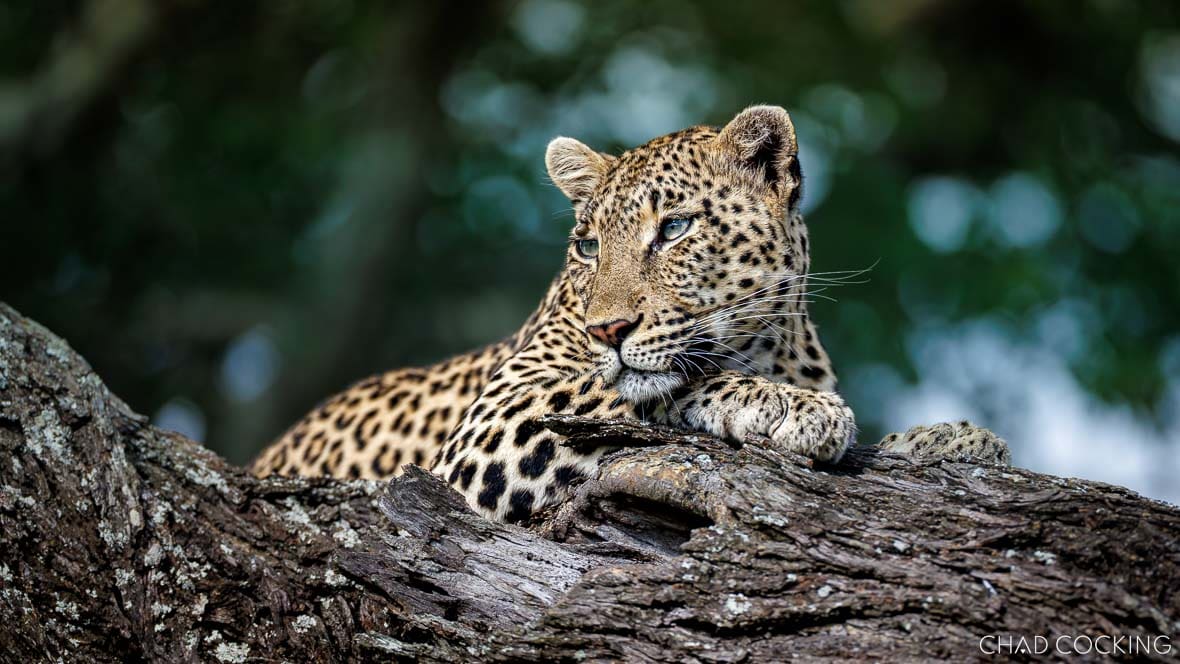
Nyeleti, our old stalwart has moved into the northern sections of our concession and has had a litter of cubs just before the floods. As she was on a drainage line that come down in a torrent, we were all a little nervous of the outcome, but after the rains, her tracks were constantly in the same area, and eventually her tracks were joined by the tiny prints of two cubs. Whilst no one has seen the cubs yet, it is only a matter of time before we are introduced to them.
Other Predators
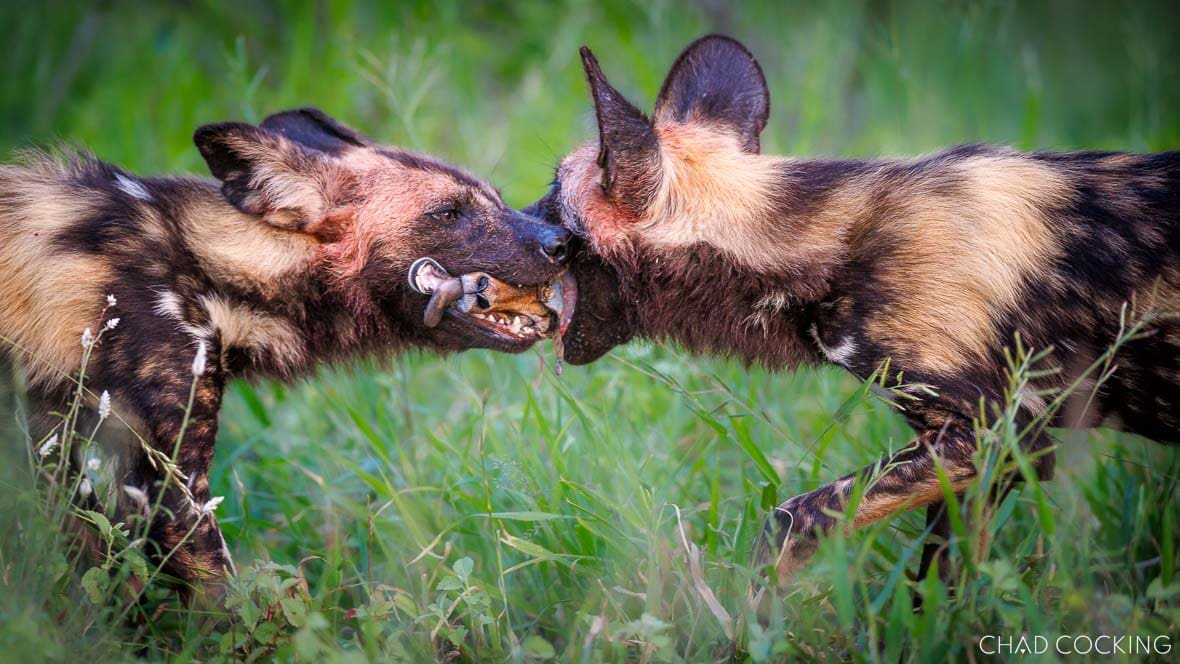
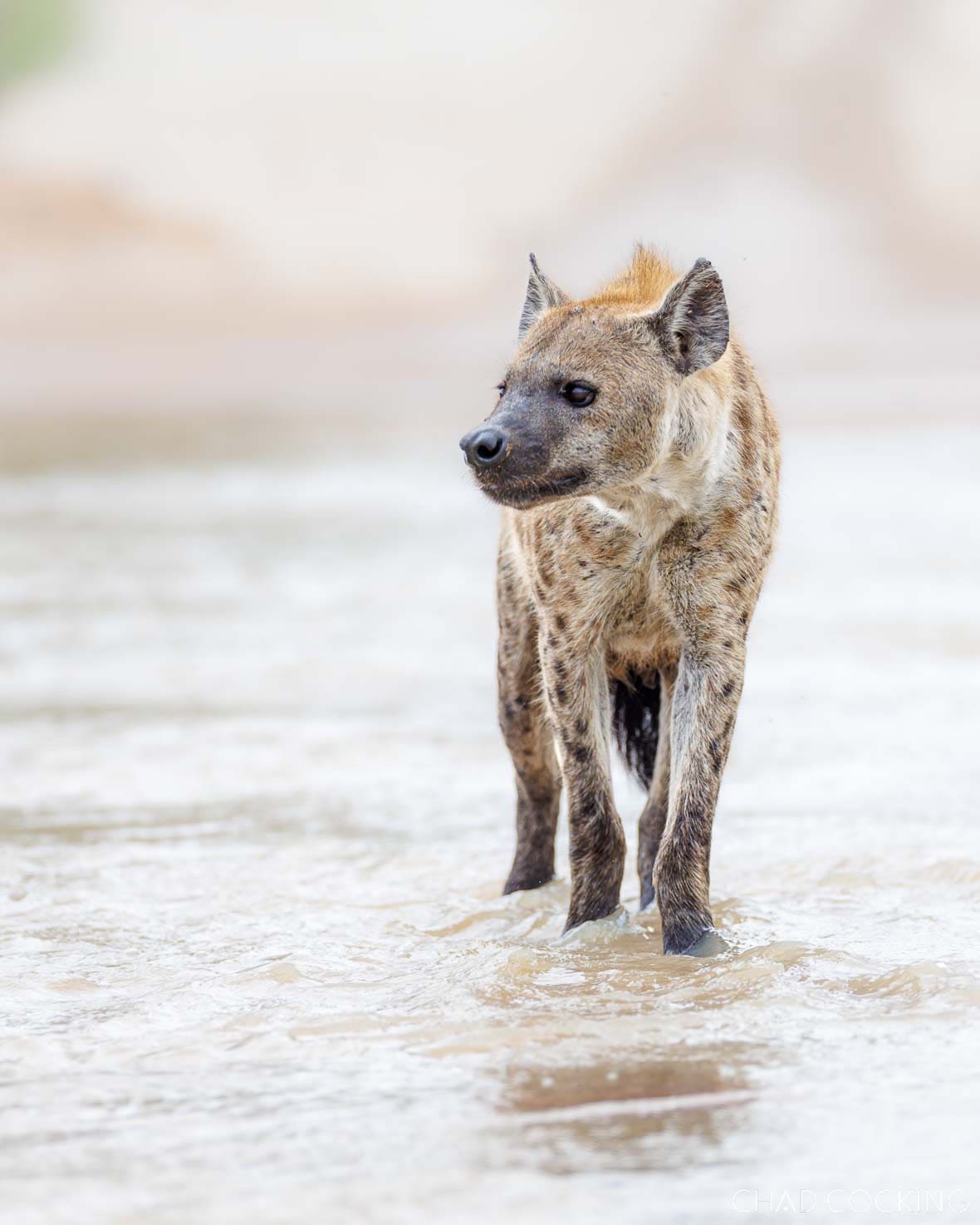
Although our cats get a great deal of focus, summer is usually a great time to see wild dogs in at Tanda Tula, and this summer was no different with three different packs making use of our area. We followed the packs on several hunts which resulted in success for the dogs – and this usually brought in a hyena or two. With their primary food source being baby impalas though, there was seldom anything left for the hyenas!
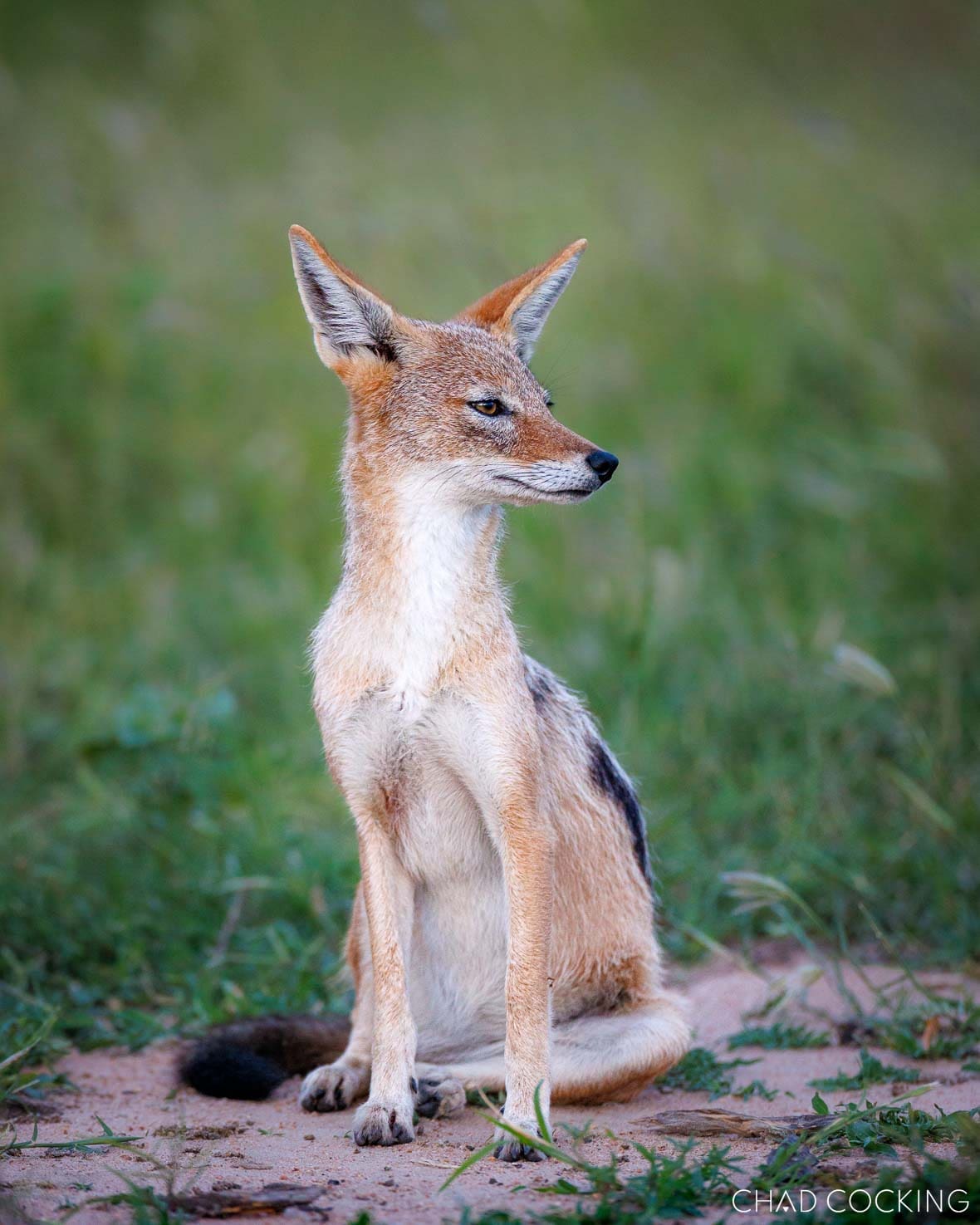
Our jackal families (known as a skulk) also had a booming summer, making use of the abundant invertebrate life that accompanies the good conditions, and on one occasion we found a family of 8 jackals (including their four pups) all milling around on an open plain together.
Tragic Loss
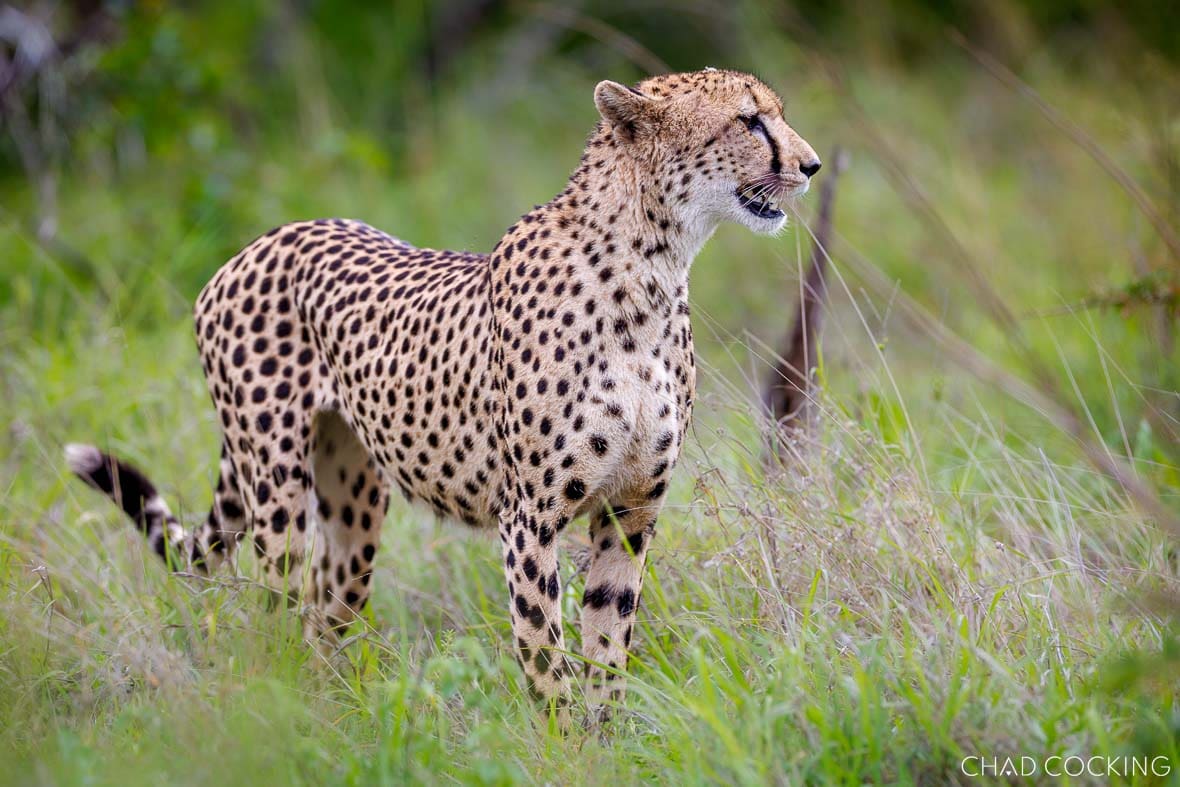
Cheetah sightings were better this summer than they had been during the past winter, and we got to see three individuals; two different males and a young female. Sadly, our long standing dominant male cheetah in the east was found dead on the Kruger boundary one morning, and this brought to an end a 6 year reign he and his brother had over the area. There were no signs of predation, and his death remains a mystery, but we can be sure that in his absence, another male will fill the void. We did see the Ximuwu male in the eastern block at the end of the reporting period, so maybe he will begin spending more time in this suitable habitat?
The Giants
Summer’s abundance is always welcomed by the big grazers, and we enjoyed some good elephant and rhino activity in the area. The elephants had a couple of periods where they dipped in number as they moved into Kruger to enjoy the resources on offer there that they can’t access in the dry season.
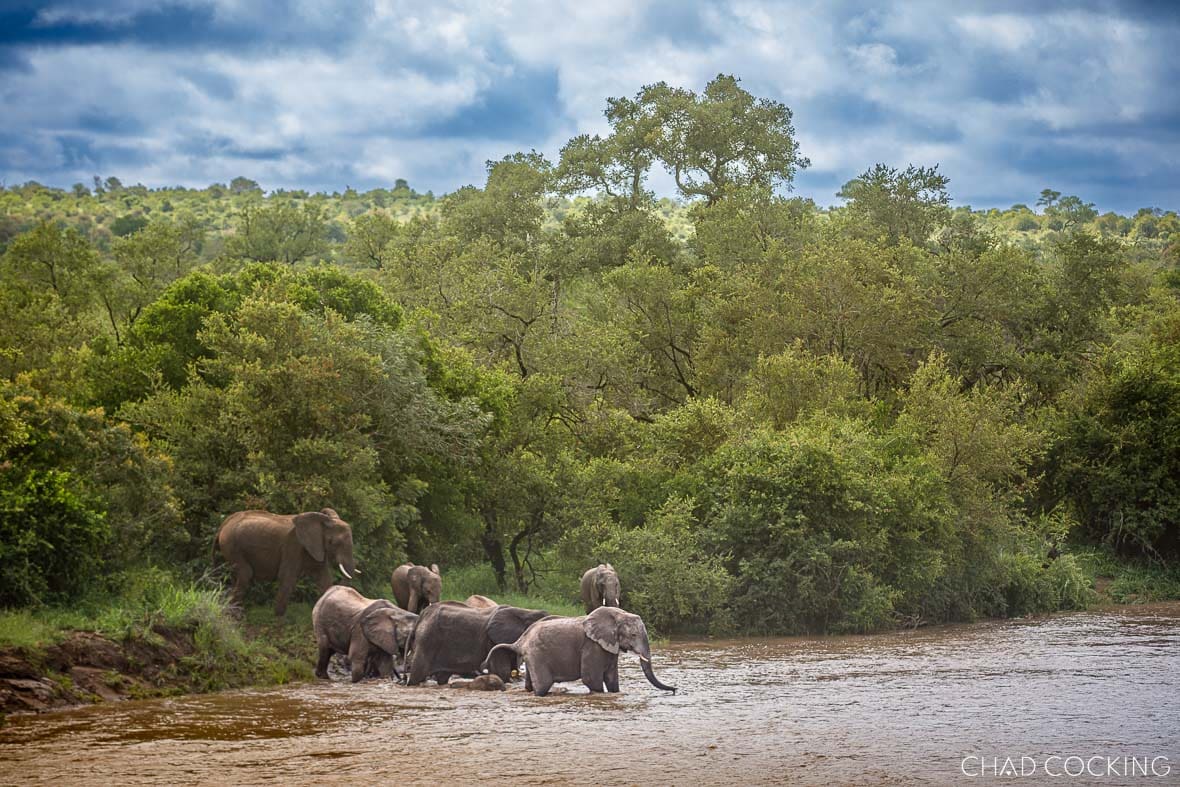
One of my favourite elephant sightings was of a herd taking a swim in the flowing Nhlaralumi River – not something we often get a chance to see!
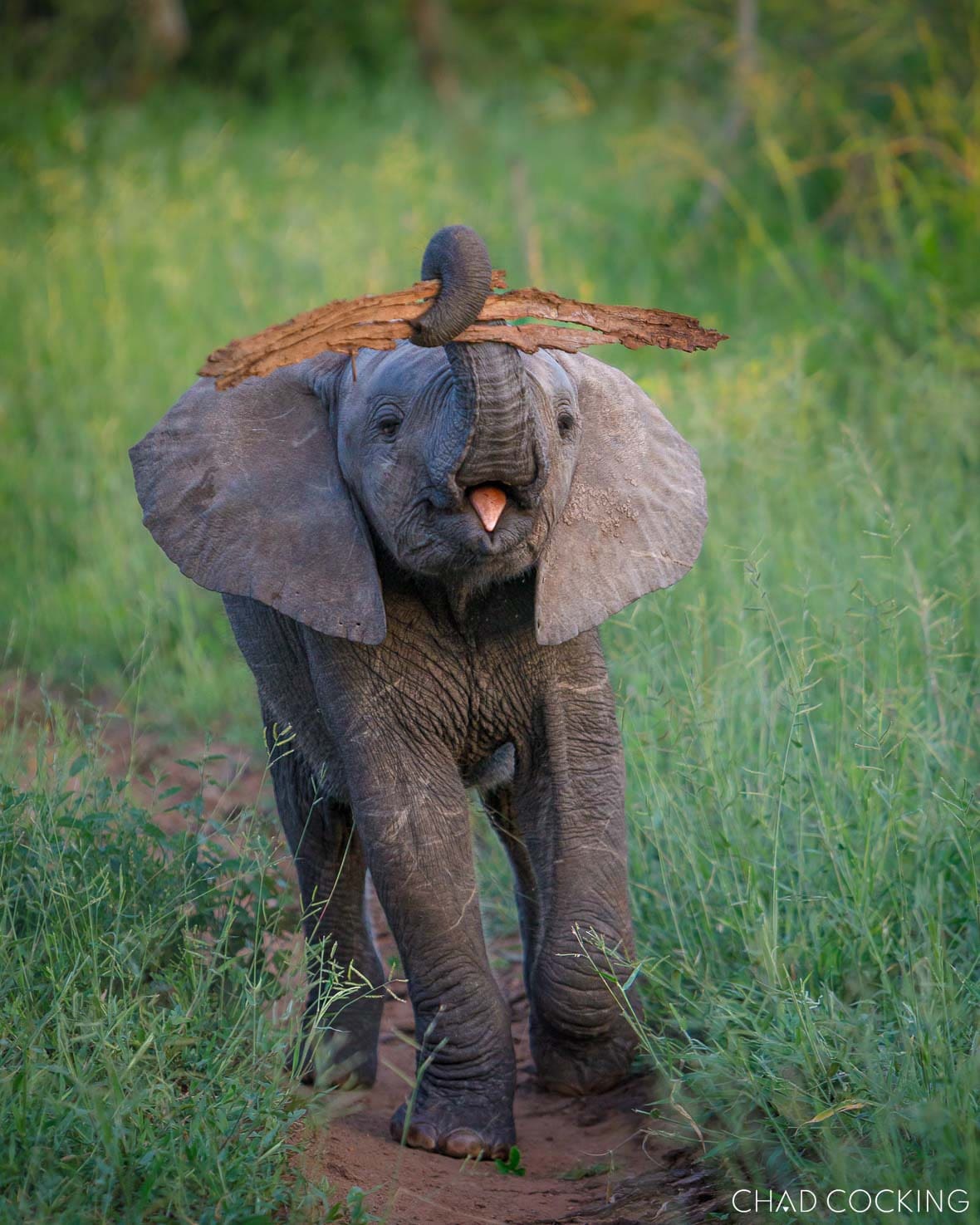
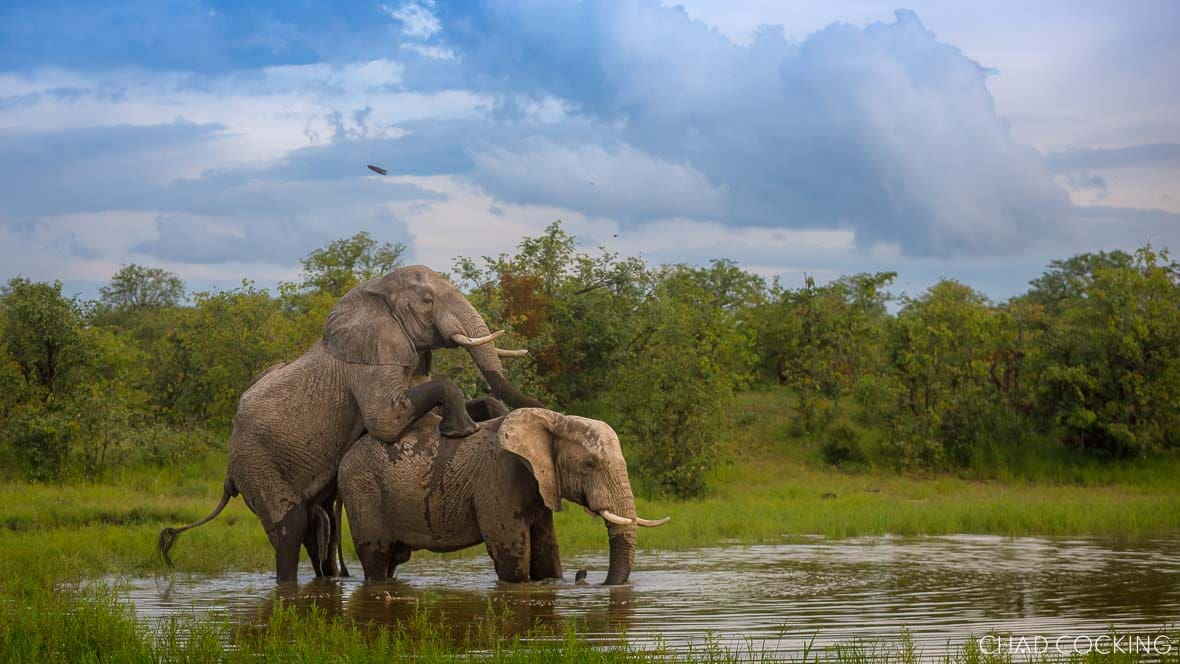
We had a good number of male elephants in the area this year – more than I can recall seeing for some time, and they are always good value as they get up to all sorts of mischief – almost more so than the little babies!
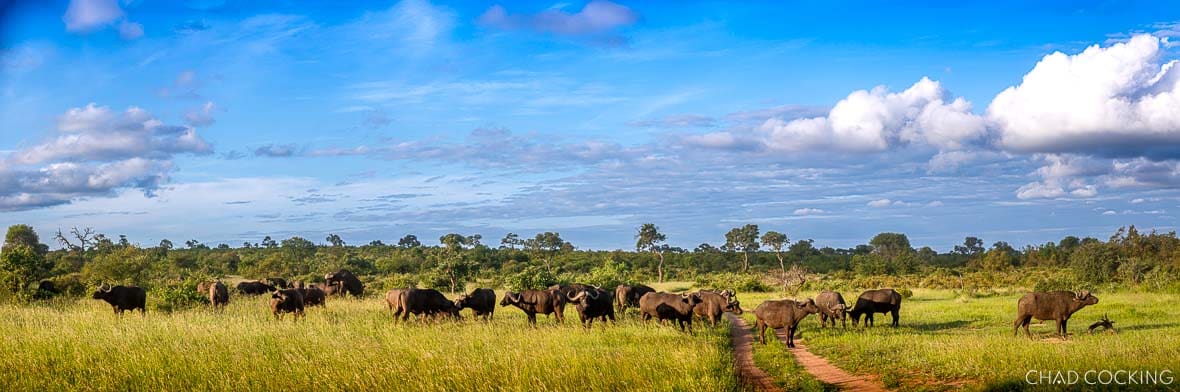
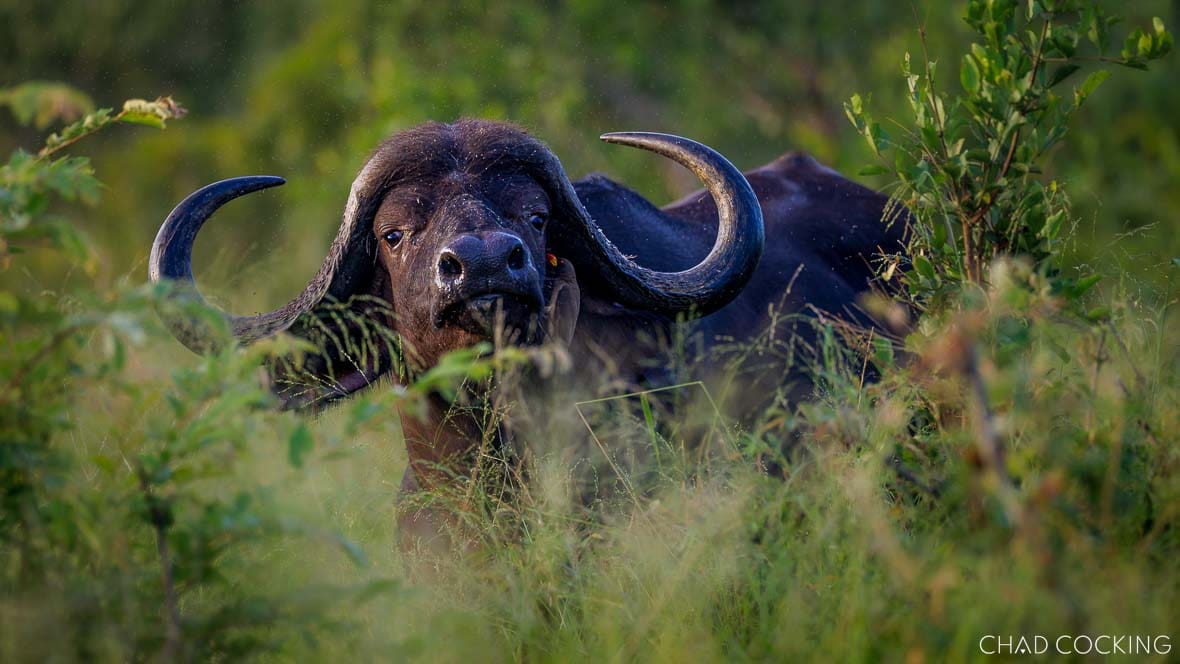
Whilst the buffalo herds popped through occasionally – and it always made for a stunning scene to see these large groups out in the open grassy areas when they were around – we had constant access to our buffalo bulls in the central regions of the traversing area.
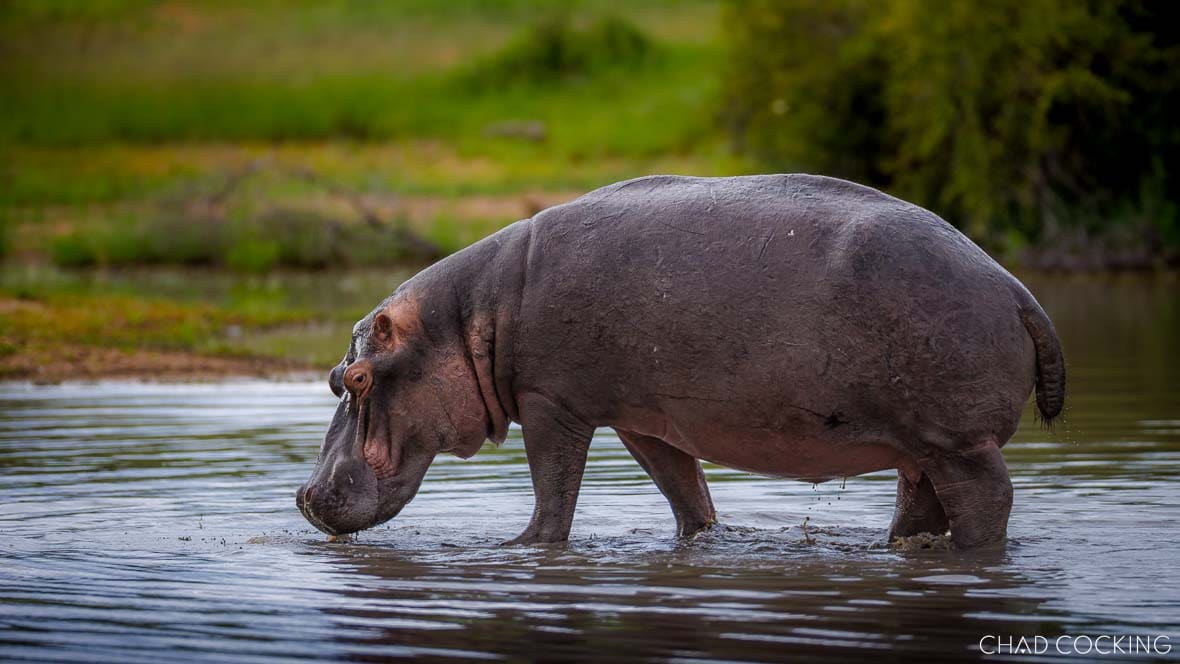
One big benefit of the water left behind after the good rains was that we started seeing hippos all over the show – from lone bulls in the camp dam to small groups in Machaton Dam, Elephant Dam and even natural pools that I had never seen hippos in before!
For the Birds
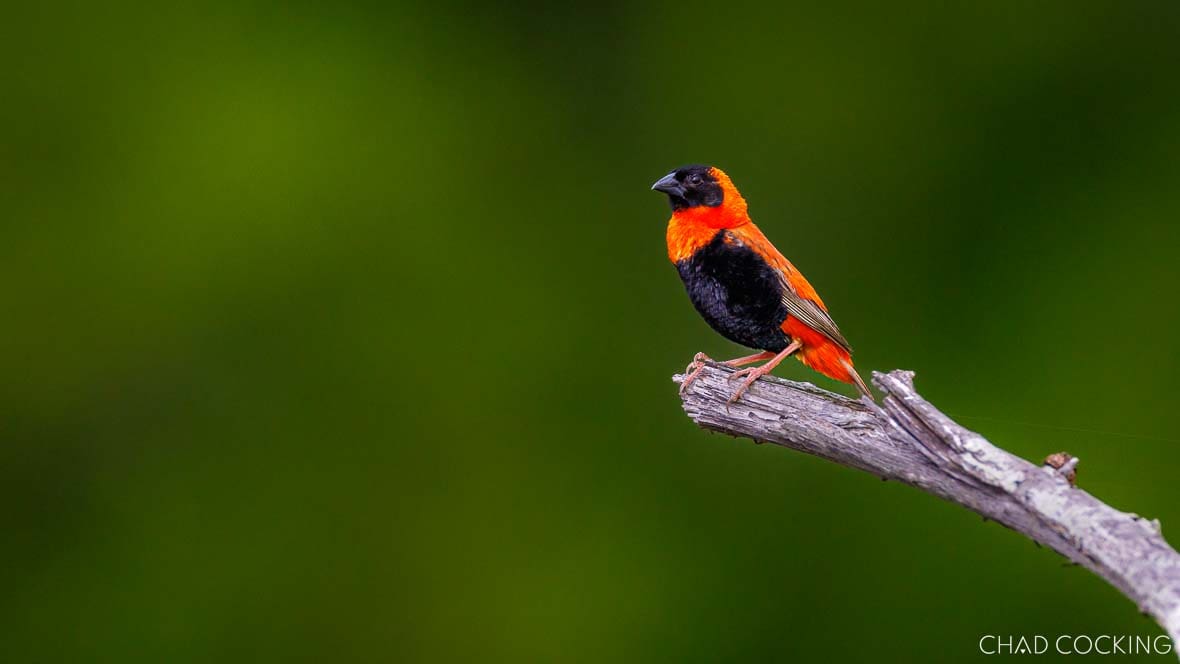
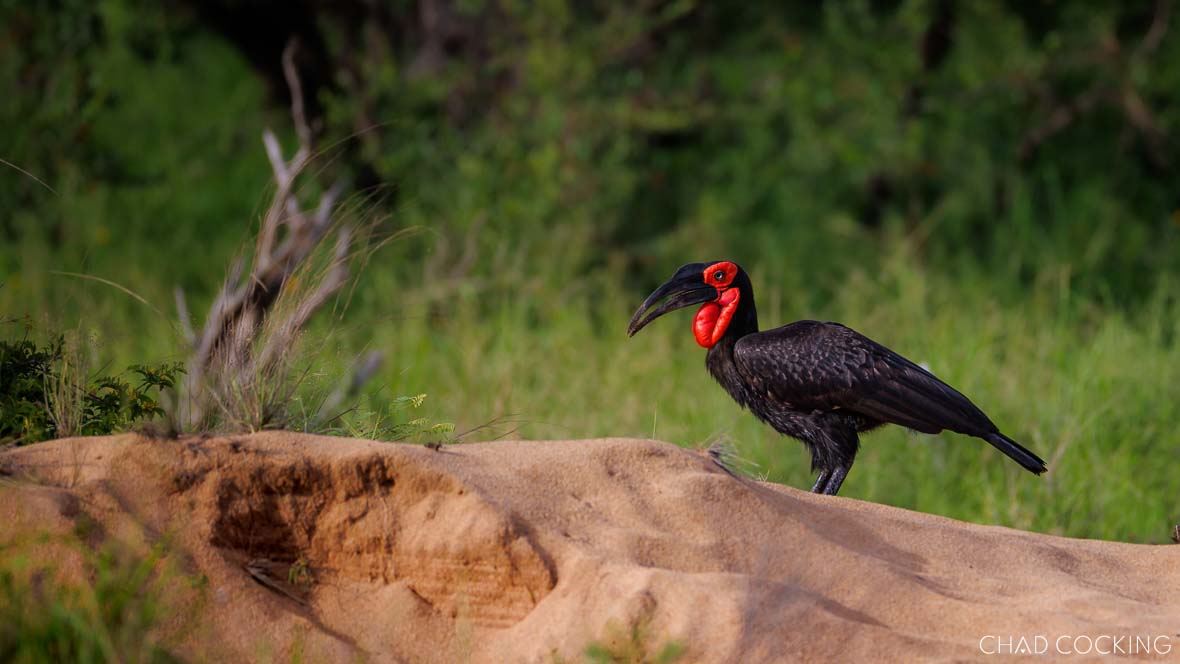
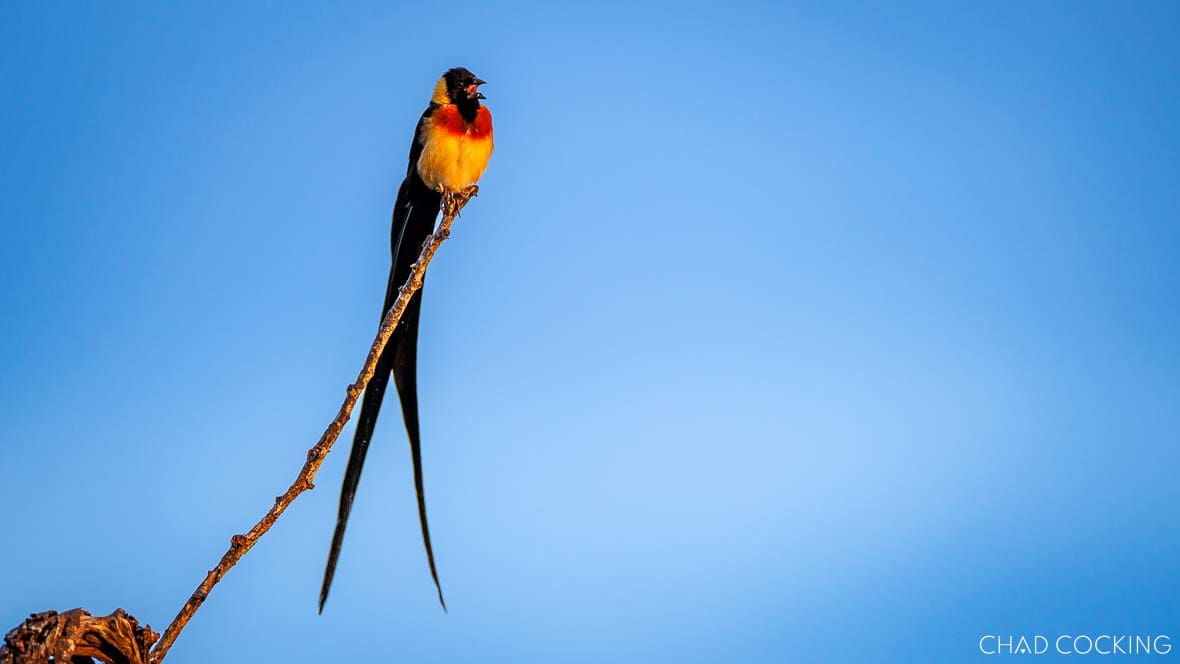
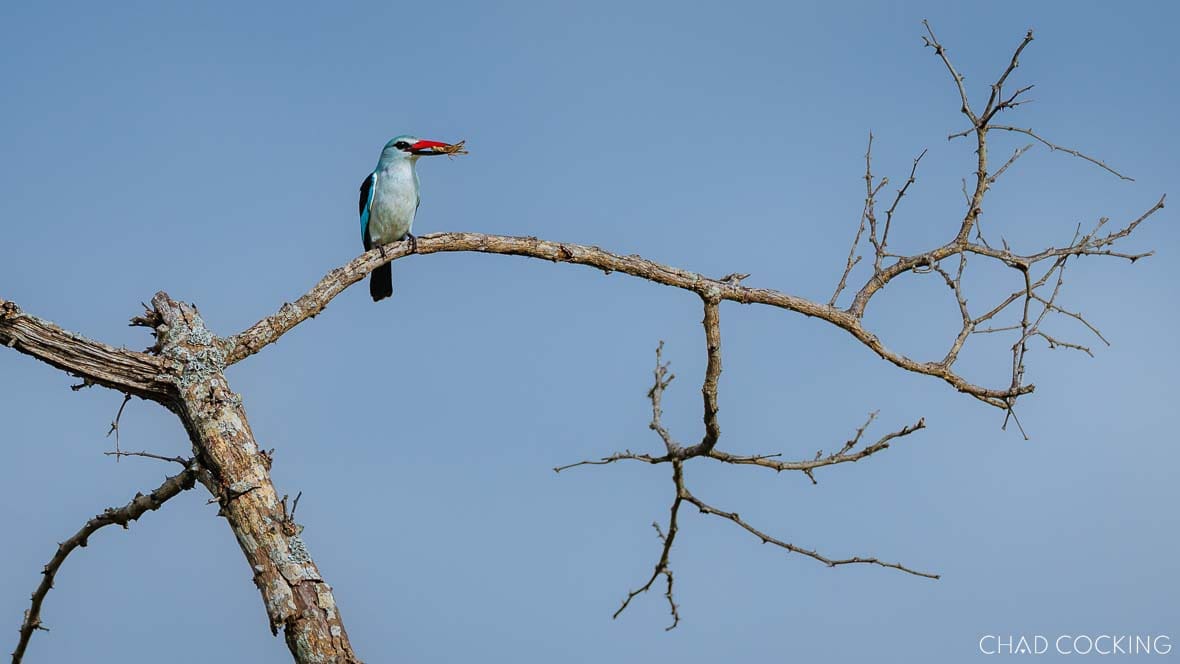
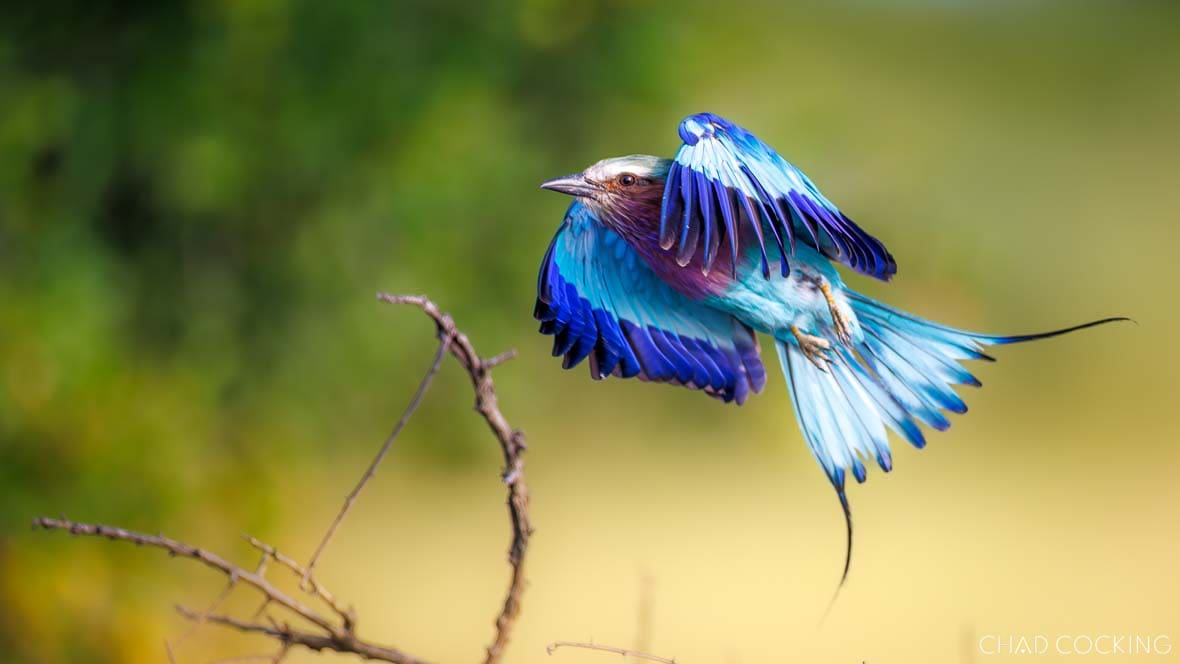
This summer has also bene one for the birds – migratory regulars aside, the rains have brought with them a host of less frequently seen rarities; red-billed teals, red-knobbed coots and red bishops (to name but the red ones!). Dwarf bitterns, curlews, African crakes and even a lesser jacana made appearances around the waterholes, and it became a real paradise for our feathered friends.
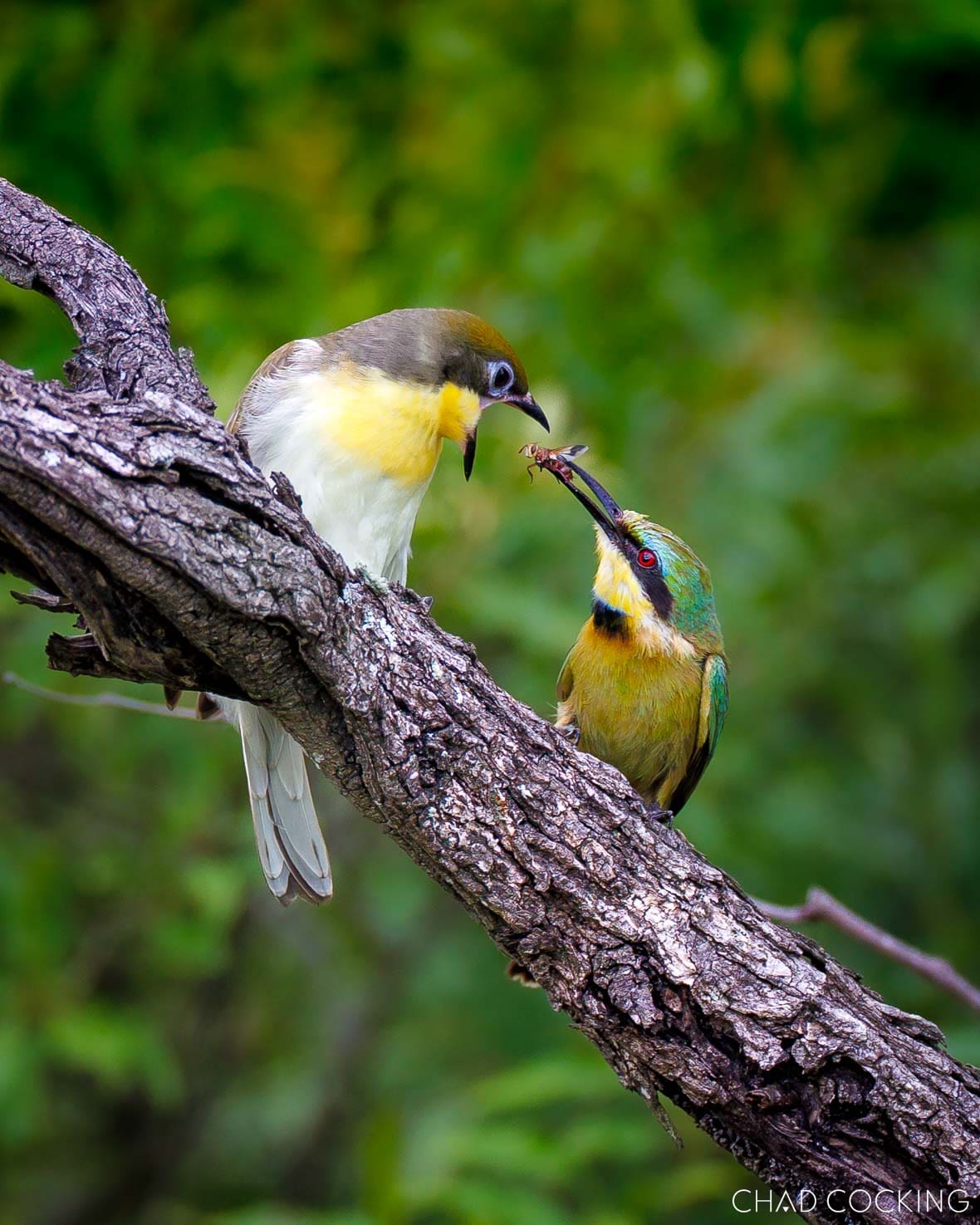
One of my highlights was watching a diminutive little bee-eater feeding a juvenile greater honeyguide, a brood parasite that is dotingly raised after the honeyguide laid its eggs in the bee-eater’s nest!
Summer Scenes
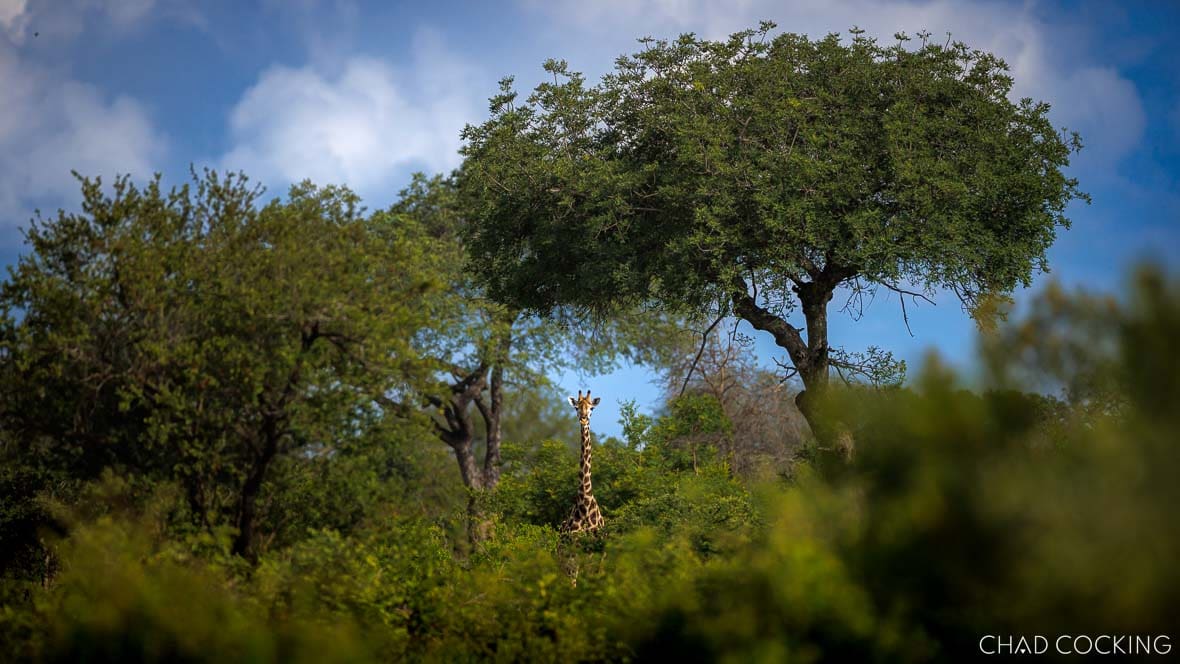
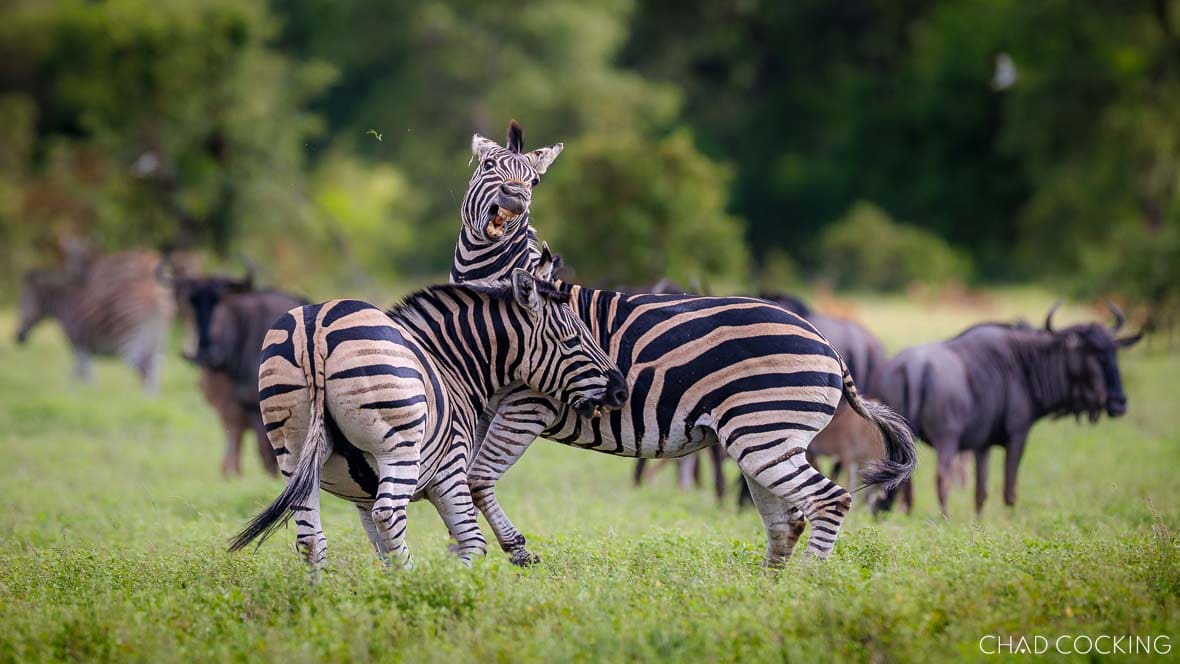
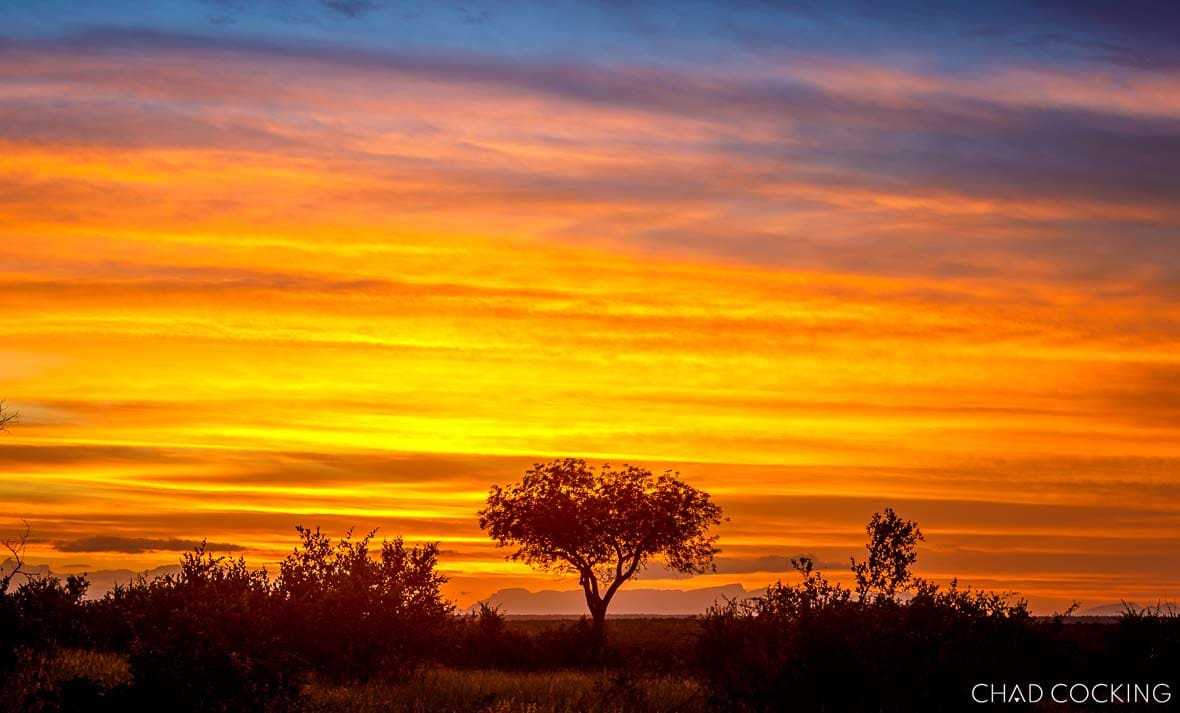
If these wildlife images weren’t enough to convince you of the merits of summer visits, I will leave you with three images that sum up the summer feeling for me; greenery, herds, and light!
We look forward to bringing you more news and updates about our wildlife over the coming months, so be sure to keep a lookout on our social media platforms to see what has been happening here at Tanda Tula!
Until next time!