Most of you will be reading this blog with central heating pumping, layer upon layer of clothing protecting you from the elements, and dreaming of the day when you will get more than nine hours of sunlight again – if you’re lucky! Such is winter in the northern hemisphere.
All I can say is that, in this present moment, life is quite different here at Tanda Tula.
Think: sipping a cocktail as you cool off in your private plunge pool; the familiar scent of sunblock as you head out for your morning safari without the burden of thick jackets and woolly hats; and seeing this wilderness in a state that appears only for a few short months each year. As December rolls on, we officially enter my favourite season – summer.
Wildlife Highlights of a Timbavati Summer:
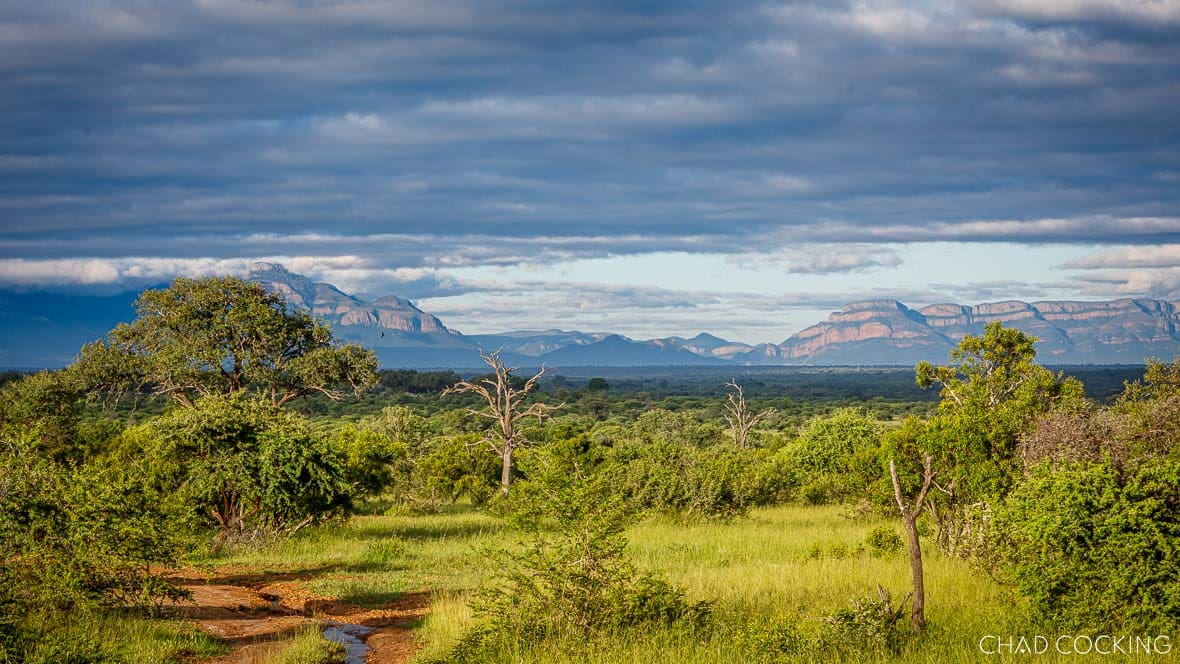
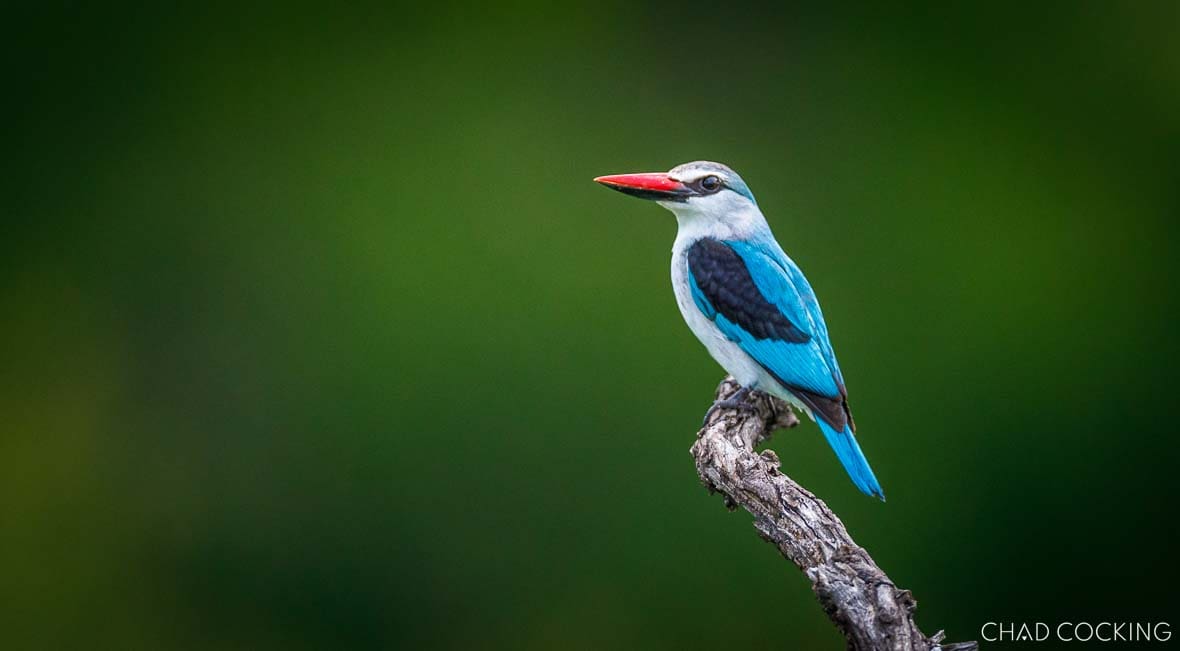
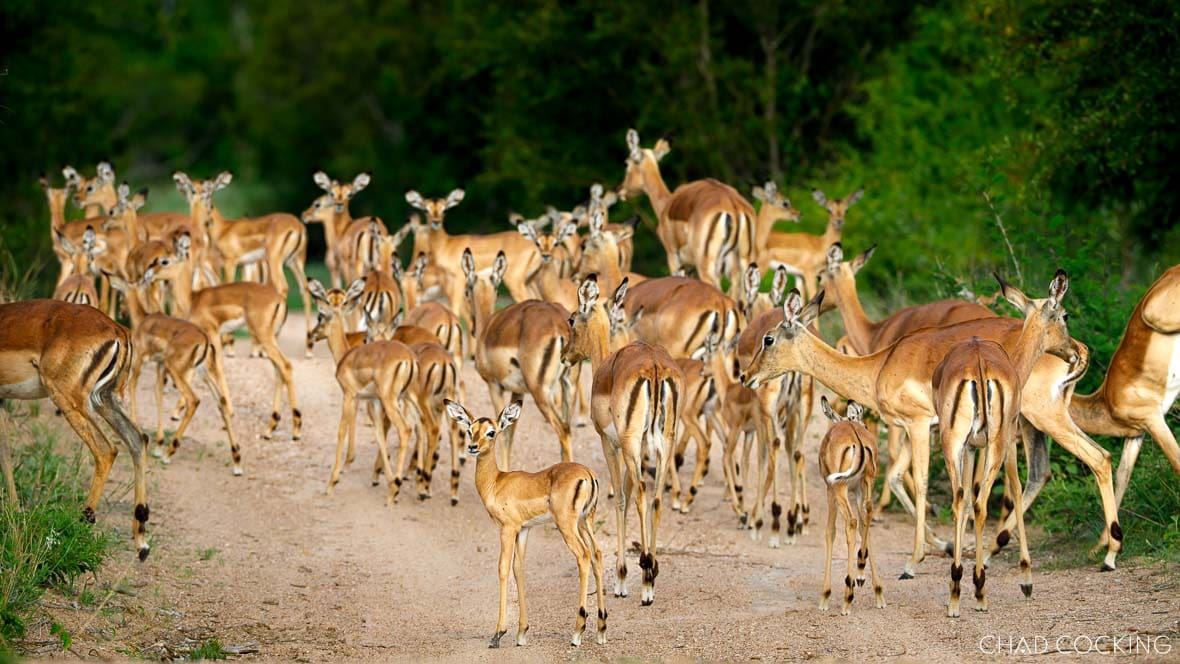
Now, I’m not just saying this because I was tasked with writing a blog to sing the praises of this season – I genuinely love it. It took me a few years of guiding, but several summers ago, while trundling around in the verdant green surrounds of a Timbavati summer, listening to the endless calls of the woodland kingfisher and passing herds of impalas filled with the sweetest little babies, it suddenly dawned on me: this is freaking amazing!
It’s a feeling that hasn’t left me since.
Some may argue against considering a safari during the South African summer, but I question whether those people have ever actually been on a summer safari. Yes, the season presents a few different circumstances, but the number of positive elements unique to this time of year makes visiting Tanda Tula in summer something you should seriously consider.
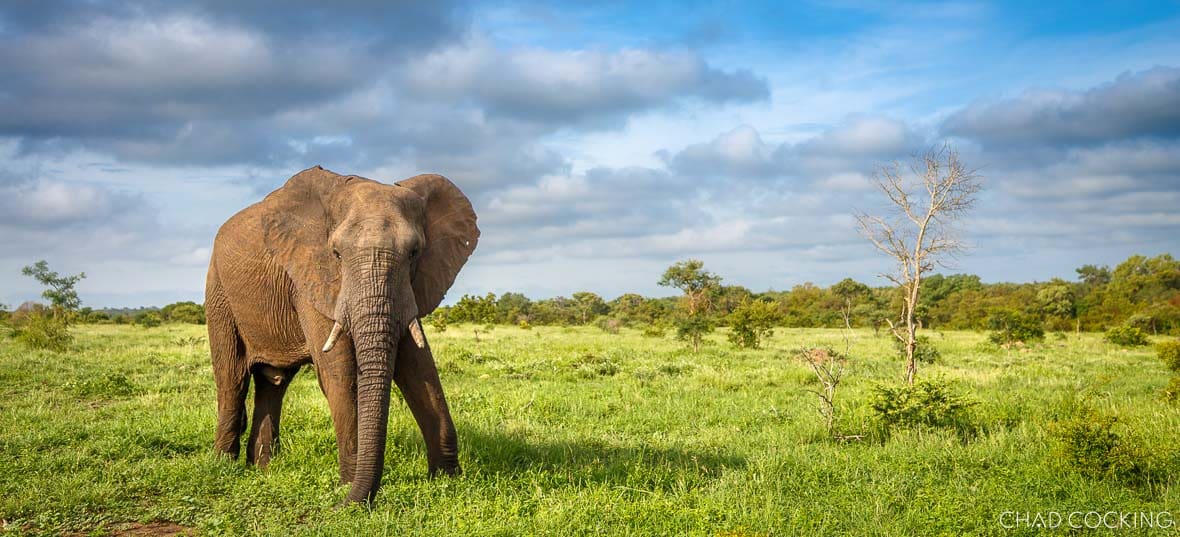
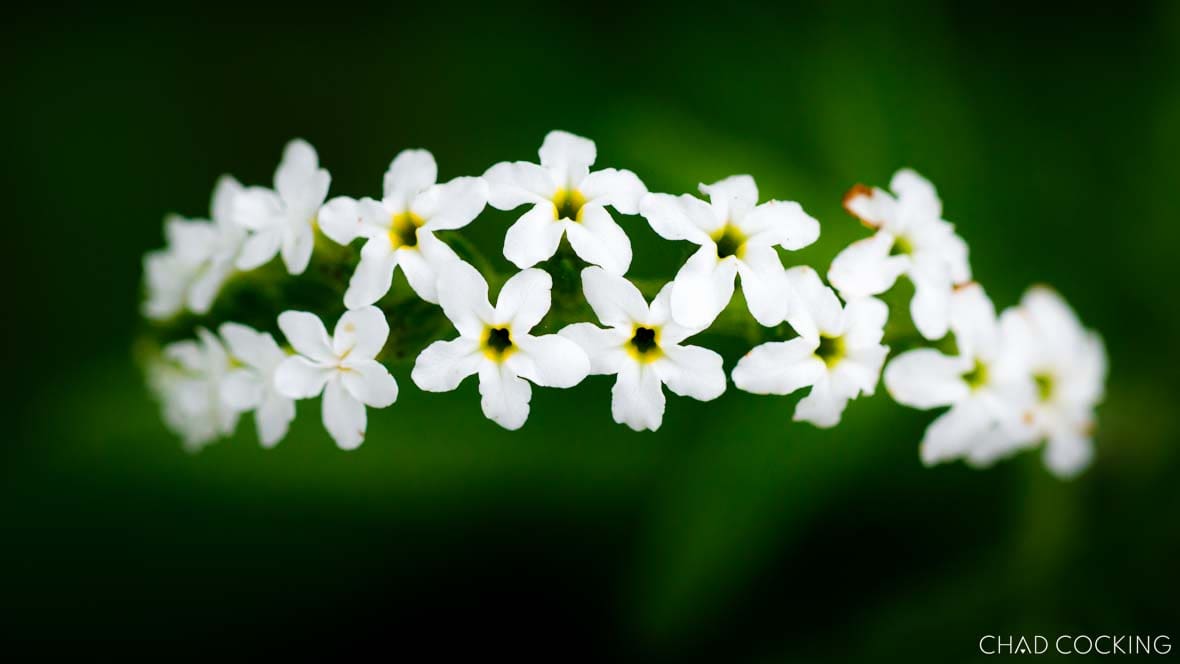
These sceptics will say that the bush is too thick to see animals. Yet some of my best game viewing over the years has taken place in the height of summer. Yes, the bush is lush and green – and that in itself is a massive positive. Driving around on a sunny afternoon, soaking up the richness of colours bursting from every scene, is without doubt the most scenic time to visit the Greater Kruger. Landscapes that looked parched and desolate only a few weeks before suddenly burst with life and colour as grasses push through the dry earth and colourful flowers appear where once there was only dust.
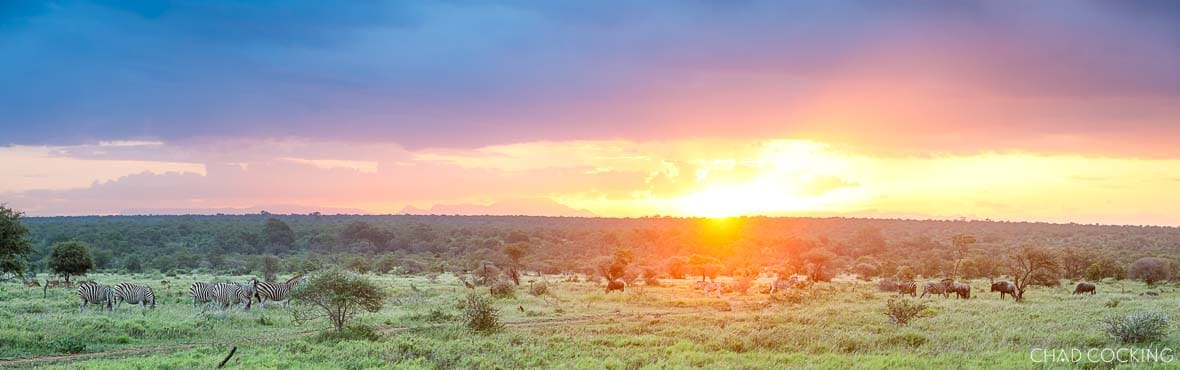
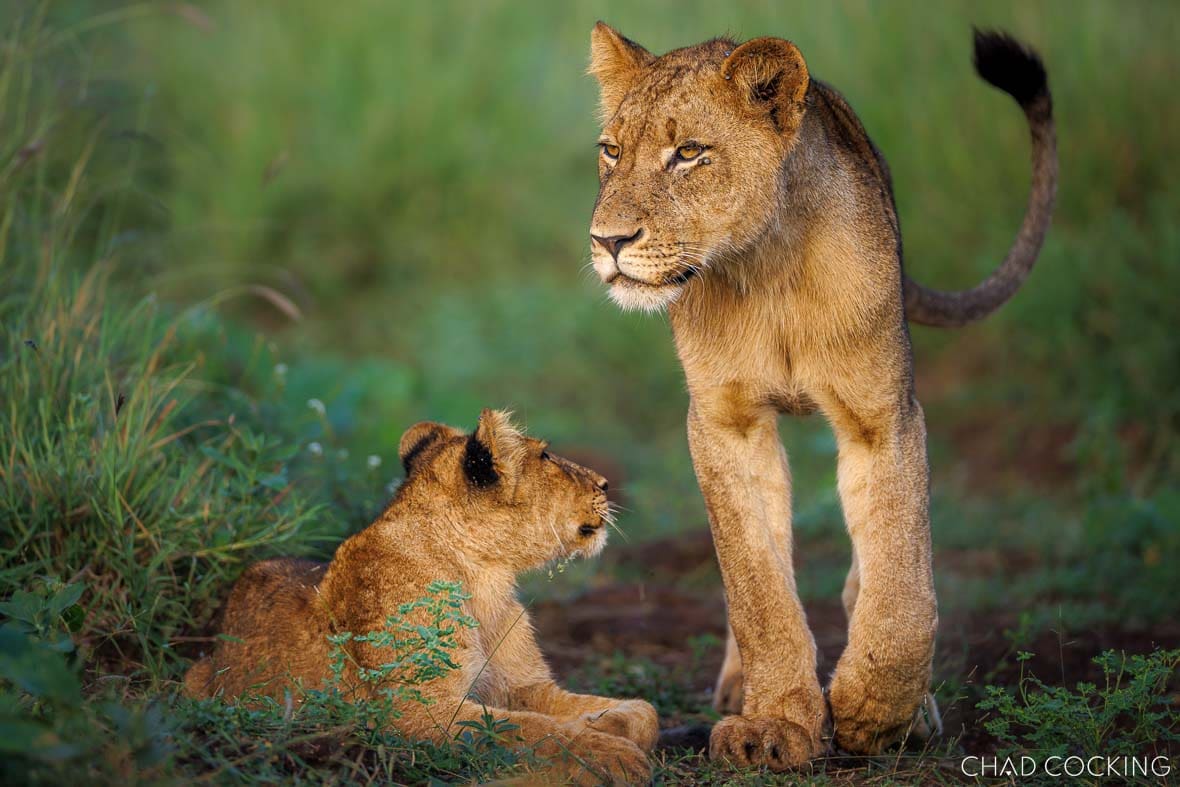
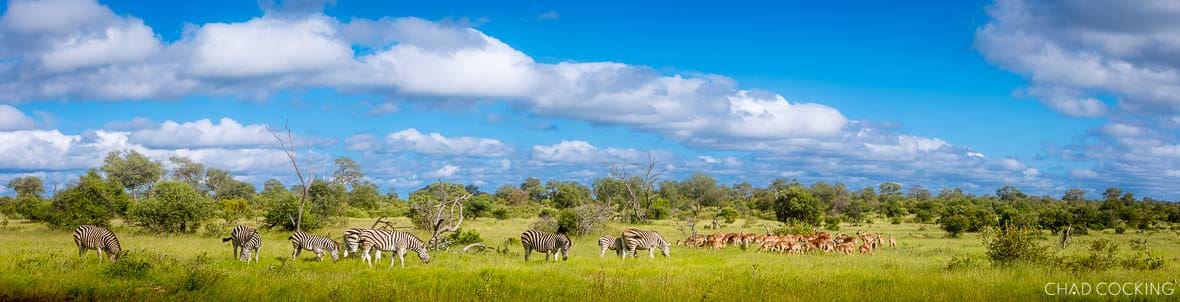
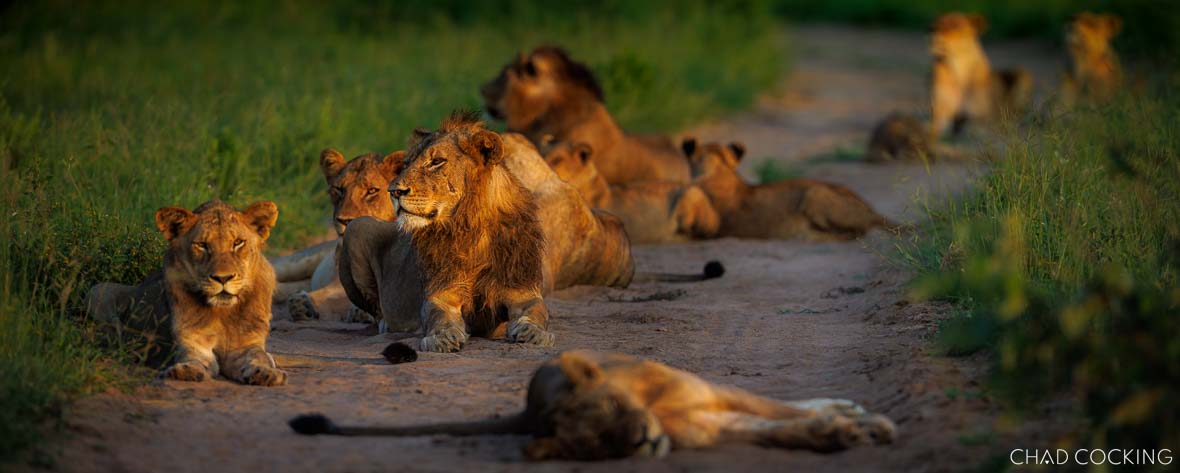
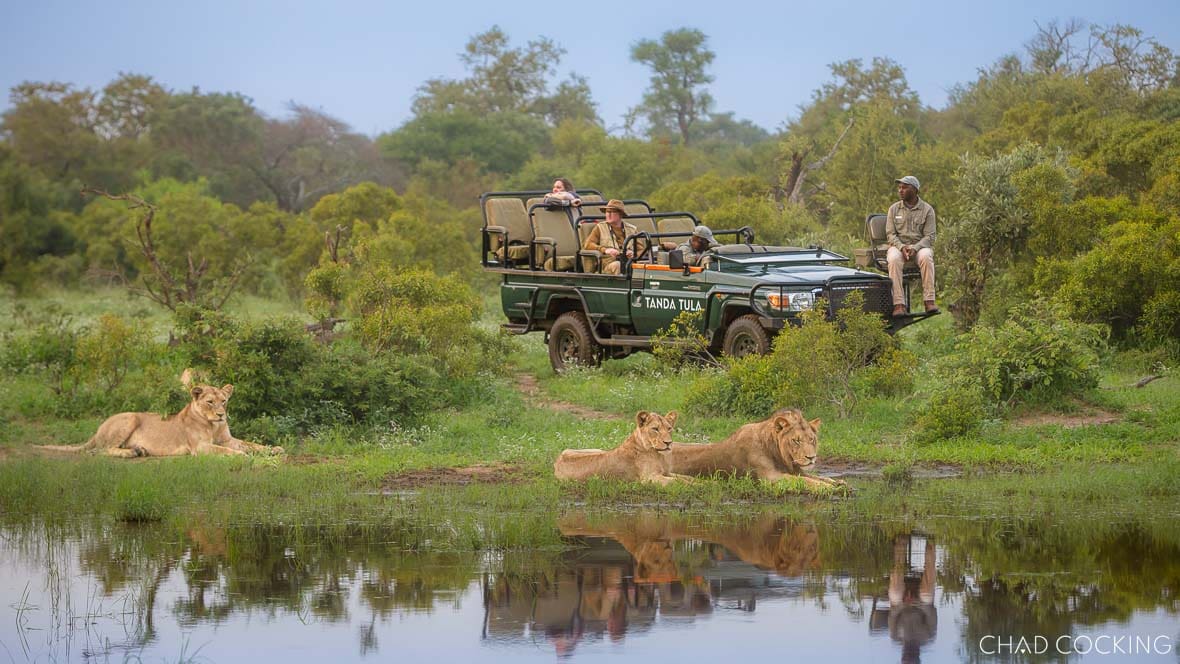
It is a miraculous transformation, and the animals thrive in it. But can you see them? Of course! The open grasslands and sodic sites draw in herds of impalas, zebras, and wildebeest, and we regularly find lion prides resting in these open areas too. When they’re not there, lions often use the roads to avoid the long grass, and they frequently choose the cool, shady riverbeds as their preferred resting spots.
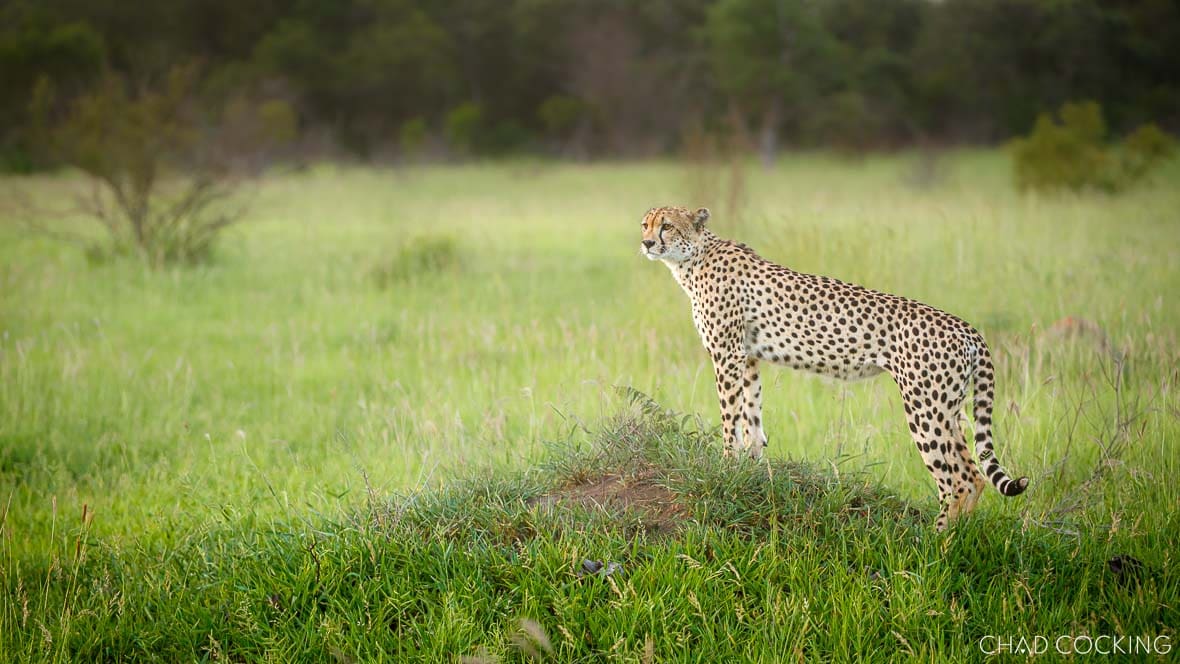
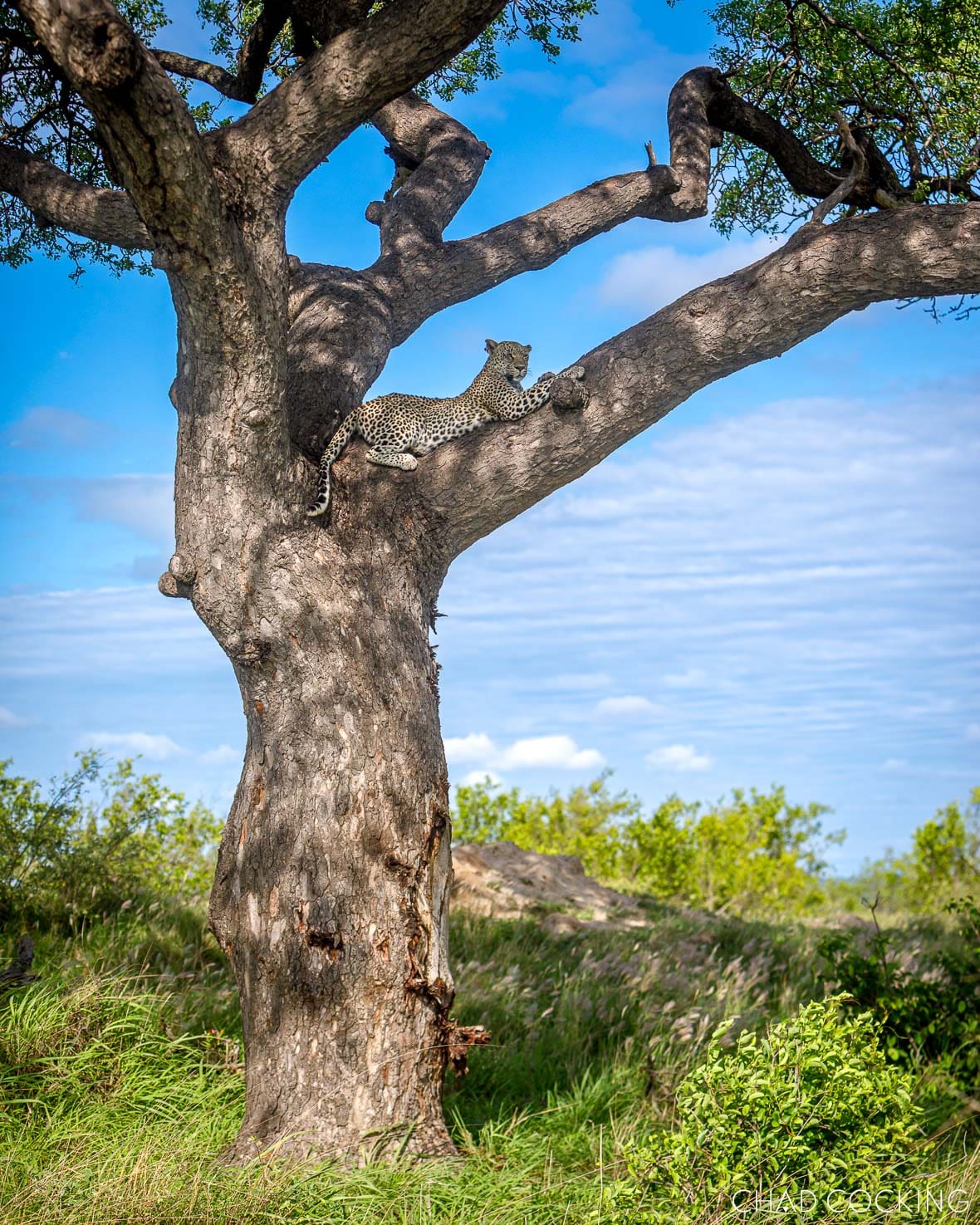
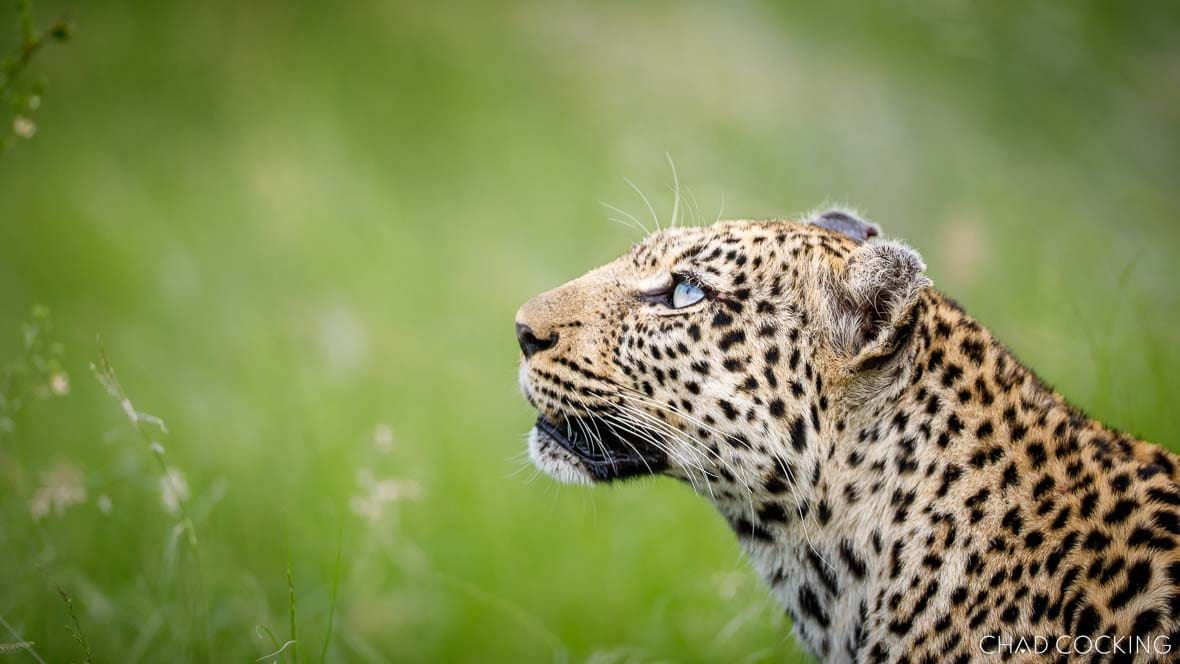
We find far more leopards sleeping in trees during the summer months than we do in winter, as they seek out the shady canopies not only for comfort but also as a vantage point from which to spot potential meals. The abundant waterholes and mud wallows become prime gathering spots for elephants, buffalos, and rhinos on warm mornings and hot afternoons.

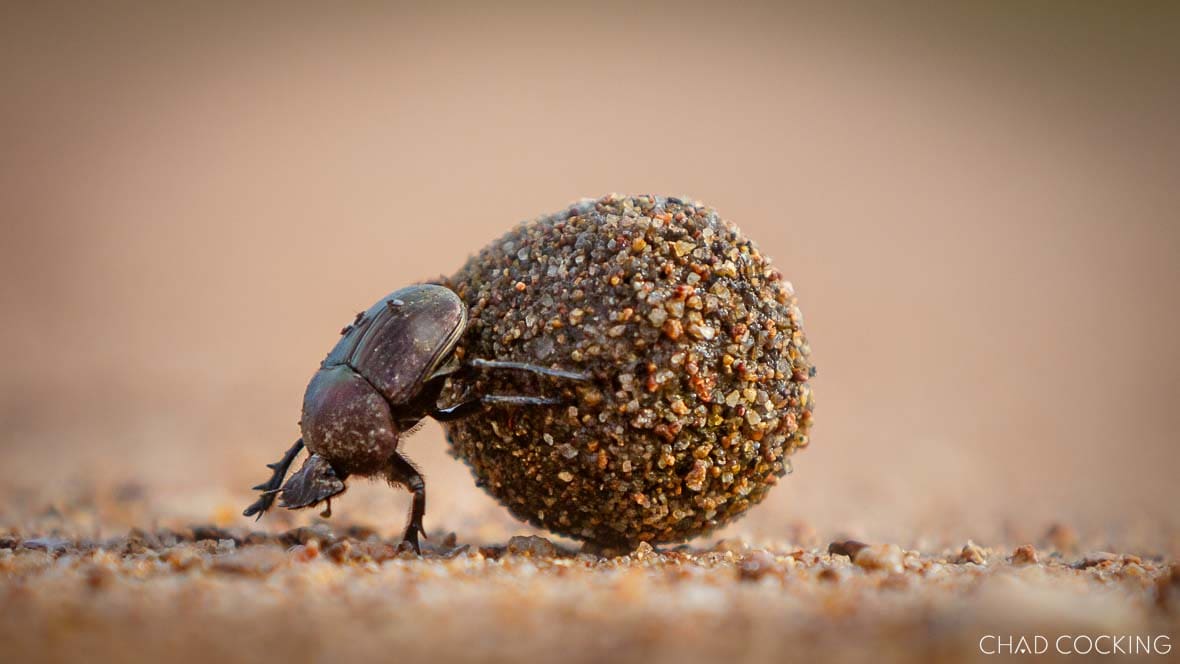
I’ve only alluded to the big game species above, but one of the truly magical elements of summer is the myriad of smaller creatures that appear only at this time of year and offer such unique viewing opportunities. From busy dung beetles rolling away their dung balls (a common request from guests, but one we can only fulfil in summer as the beetles aren’t active at other times of the year), to the feeding frenzies that erupt around the winged alates emerging from termite colonies — birds, lizards, mongooses, jackals, and even monkeys gather around these spectacles, creating some wonderfully memorable sightings.
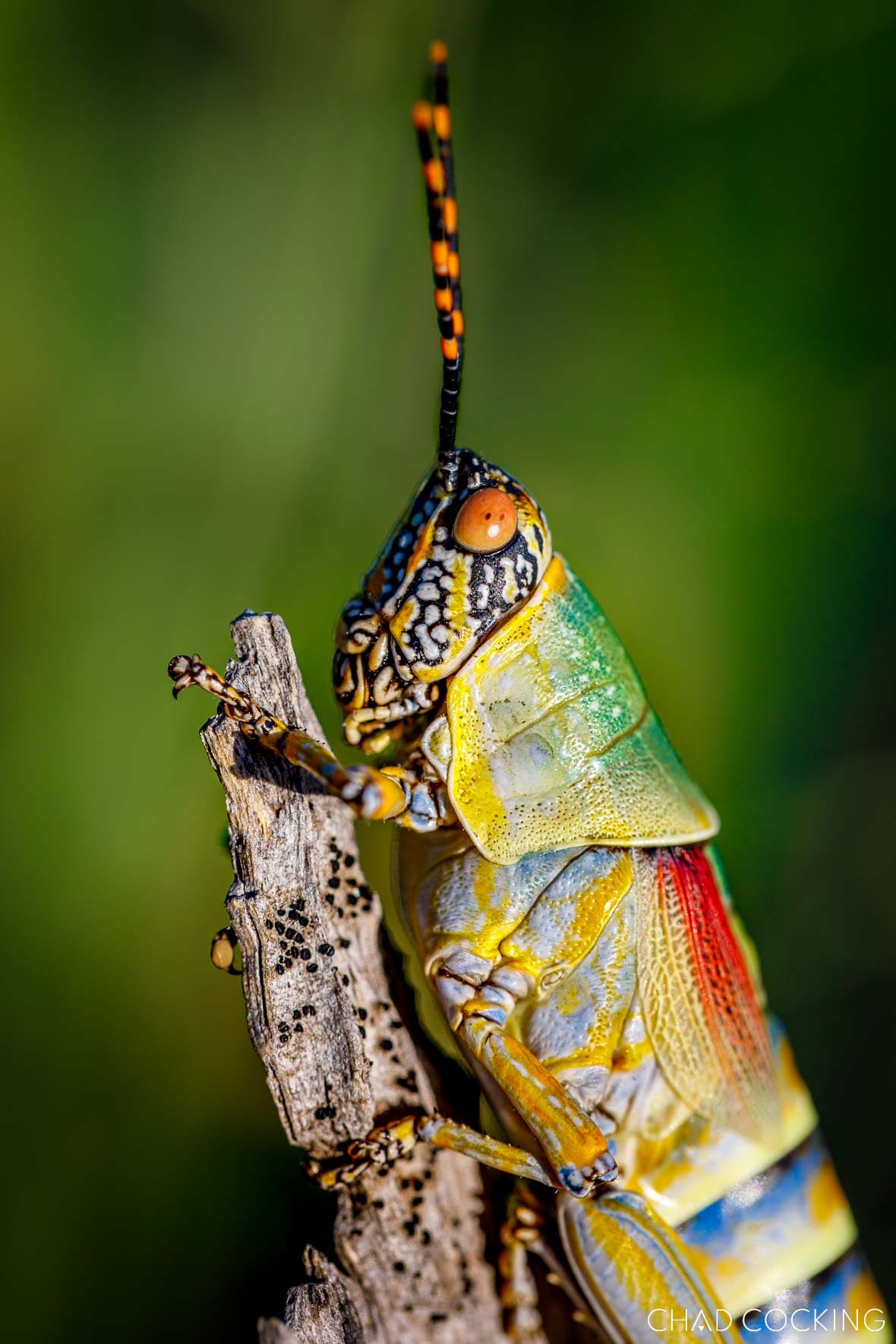
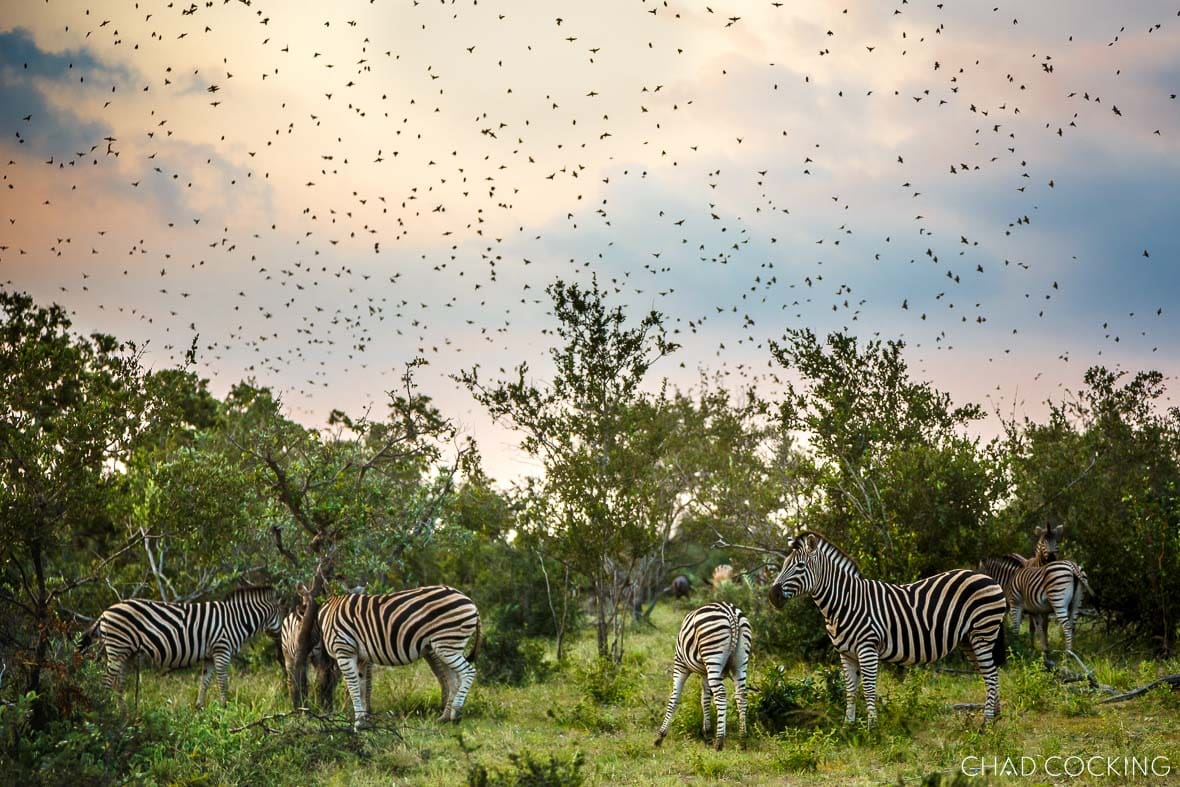
It’s this abundance of smaller life forms that draws more than fifty species of birds to migrate from Central Africa, Europe, and Western Asia to the Kruger region to feast. Amur falcons, for instance, undertake a 22,000 km migratory circuit just to visit this area! Add to that the many cuckoo species, European rollers and bee-eaters, barn swallows, woodland and grey-headed kingfishers, Wahlberg’s eagles, Steppe eagles, and — my favourite — violet-backed starlings. And if that’s not enough, white storks, comb ducks, numerous waders, and colourful carmine bee-eaters also join the fray.
Summer is, without a doubt, the best time to enjoy the birding on offer at Tanda Tula.

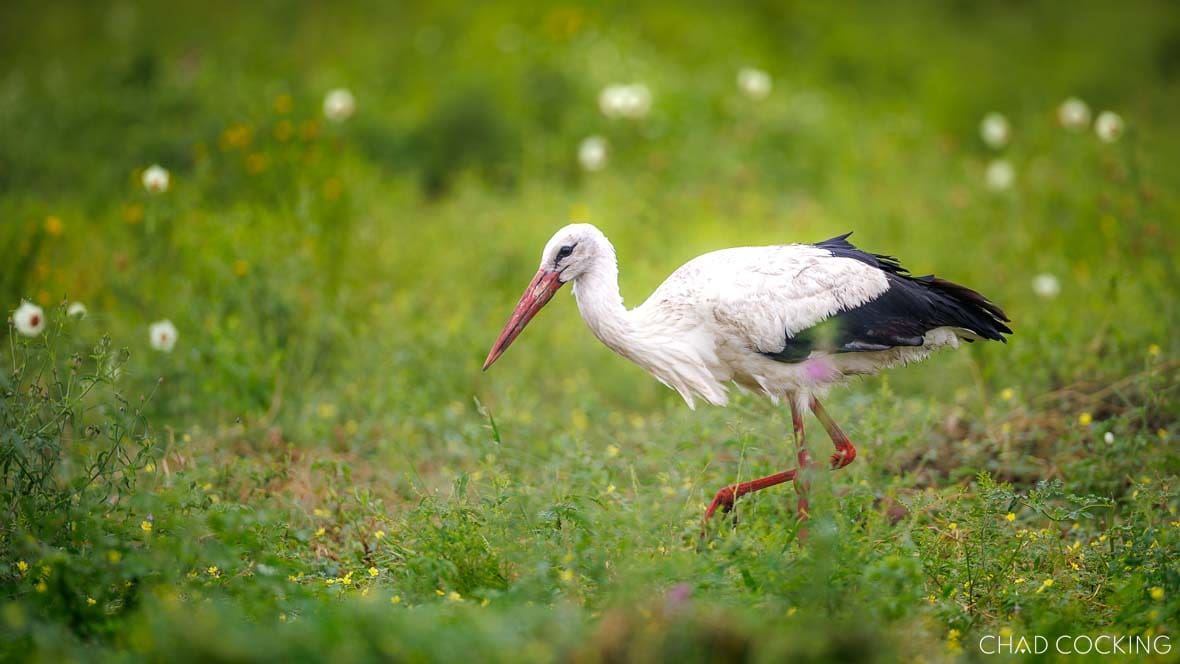
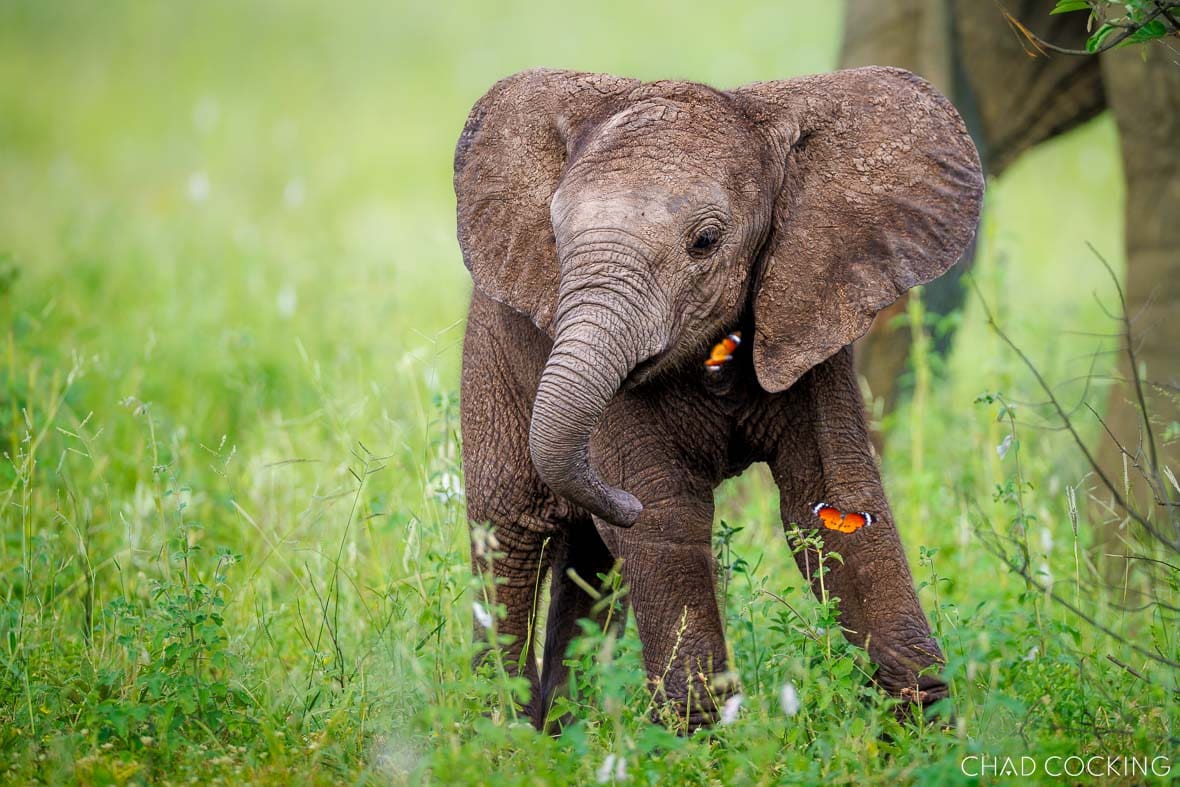
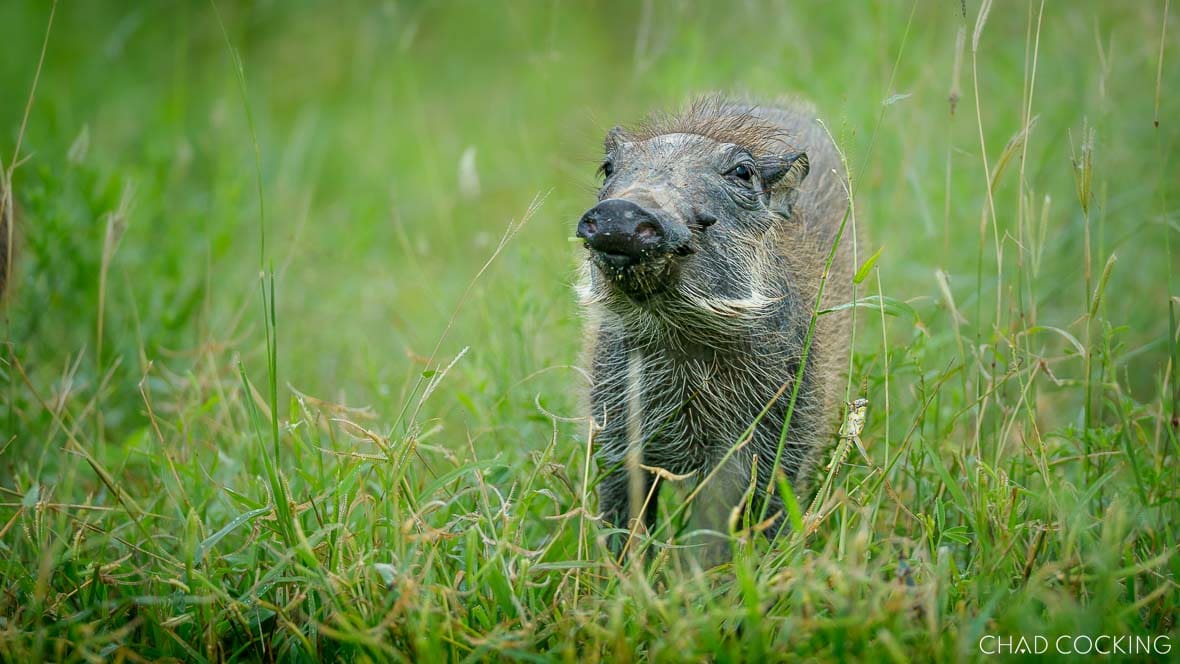
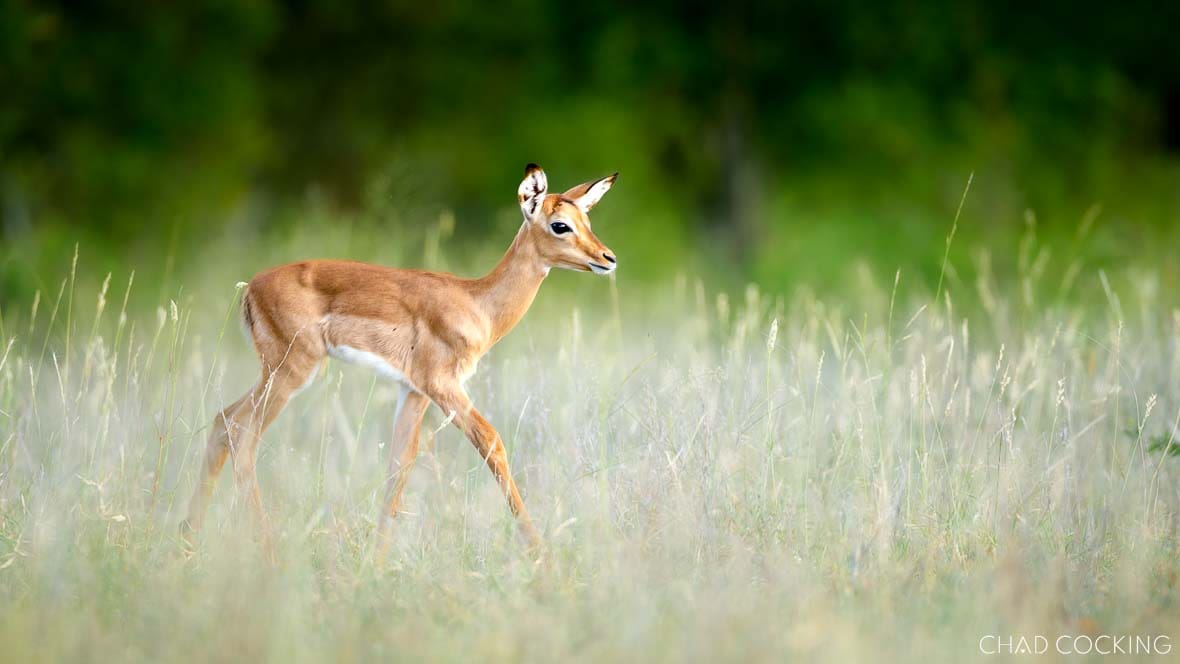
If that’s not enough, many of our mammal species are seasonal breeders and have their babies during the summer months. There is definitely more “oohing and aaahing” at this time of year than any other – and who can blame you? Little impala lambs appear around every corner, long-legged baby wildebeest are running with their herds in no time (literally – they’re moving with the herd within an hour of being born!), and arguably the cutest of them all, the baby warthogs, melt every heart lucky enough to gaze upon them.

What’s also so special about this time of year is that even between animal sightings, the landscapes are so beautiful that it hardly matters if nothing is in view. The surrounds are simply breathtaking. The lush greenery brings not only a richness to the eye, but also enhances any photographs you take – there’s a vibrancy to summer photography that’s difficult to match at any other time of year.
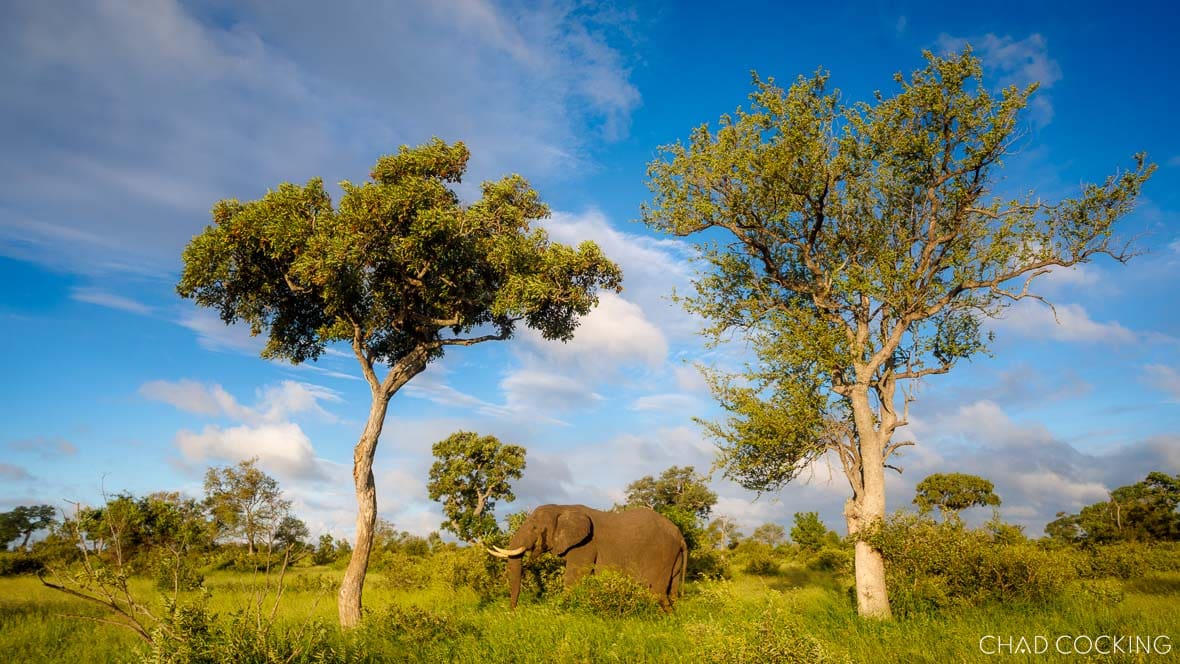
But is summer not the rainy season? It is indeed – and it’s precisely because of these life-giving rains that we get to enjoy all the elements that make this time of year so special. Watching a distant thunderstorm brewing at sunset is a spectacle that can leave as lasting an impression as seeing some of our more charismatic wildlife.
Will the rain affect your safari? There is always a chance of a rainy day, but we typically record rain on only about 33 days each year, and most of those showers fall at night while we’re sleeping, listening to the calming pitter-patter of raindrops on the roof. If rain does catch you while you’re out on safari, it becomes an experience that many guests talk about before they even mention their wildlife sightings! All our vehicles carry rain ponchos that do a great job of keeping you comfortable. And if it happens to be raining in the morning, our team is flexible — your guides will happily take you out once the rain passes so that you don’t miss any of your precious bush time.

If we’re lucky enough to get sufficient rain during your stay, you may even witness the spectacle of the dry riverbeds filling with water. It’s quite something to go to bed overlooking a dry, sandy creek and wake up to find it flowing from bank to bank. Over the years, I’ve had a number of guests threaten to jump on a plane just to come and see this in person!

More typically, summer days are warm to hot and best spent lounging at the pool, reading a book in the shade of an umbrella, and enjoying an ice-cold beer to keep you hydrated. The air-conditioned rooms will keep you comfortable during the day, and if the nights are mild enough, you can even sleep with your suite’s sliding doors open to listen to the sounds of the bush, safe in the knowledge that nothing other than a cooling breeze can pass through the metal gauss screens.
To avoid being out in the hottest part of the day, game drives begin early in the morning – 05h30 throughout summer – and again in the late afternoon once the sun has dropped lower in the sky, departing at 16h00 with ice-cold water and a complimentary cooling towel on hand. These timings give you a wonderfully long stretch between drives to relax and enjoy the camp’s facilities, whether that’s unwinding with a spa treatment or, for the more energetic, heading to the air-conditioned gym and watching wildlife come down to drink at the camp’s waterhole.
The warm weather also allows our service team to set up more outdoor dining experiences, giving you the chance to enjoy meals under open skies with menus that match the season.
Aside from the wildlife and scenic beauty, one of the reasons to visit Tanda Tula during the summer is that it’s our low season. This brings two key benefits: firstly, the Timbavati is at its quietest, allowing you to experience an even greater sense of solitude while out on safari. There is something wonderfully special about exploring the bush and not seeing another human for several hours. Secondly, Tanda Tula often runs accommodation specials at this time of year, so be sure to sign up for our mailing list to hear about any upcoming offers.
So, if the short days and cold temperatures are getting to you during the post-festive season slump, why not consider warming body and soul with a visit to Tanda Tula during the emerald season? You won’t be sorry.
We hope to see you soon!
Until then, cheers.
Chad